




Table of Contents
Name of the heading
“Students are being lazy and cheating is at an all-time high.”
“COVID completely destroyed 2-3 years of the educational system.”
“The current generation is affected by the instant gratification effect.”
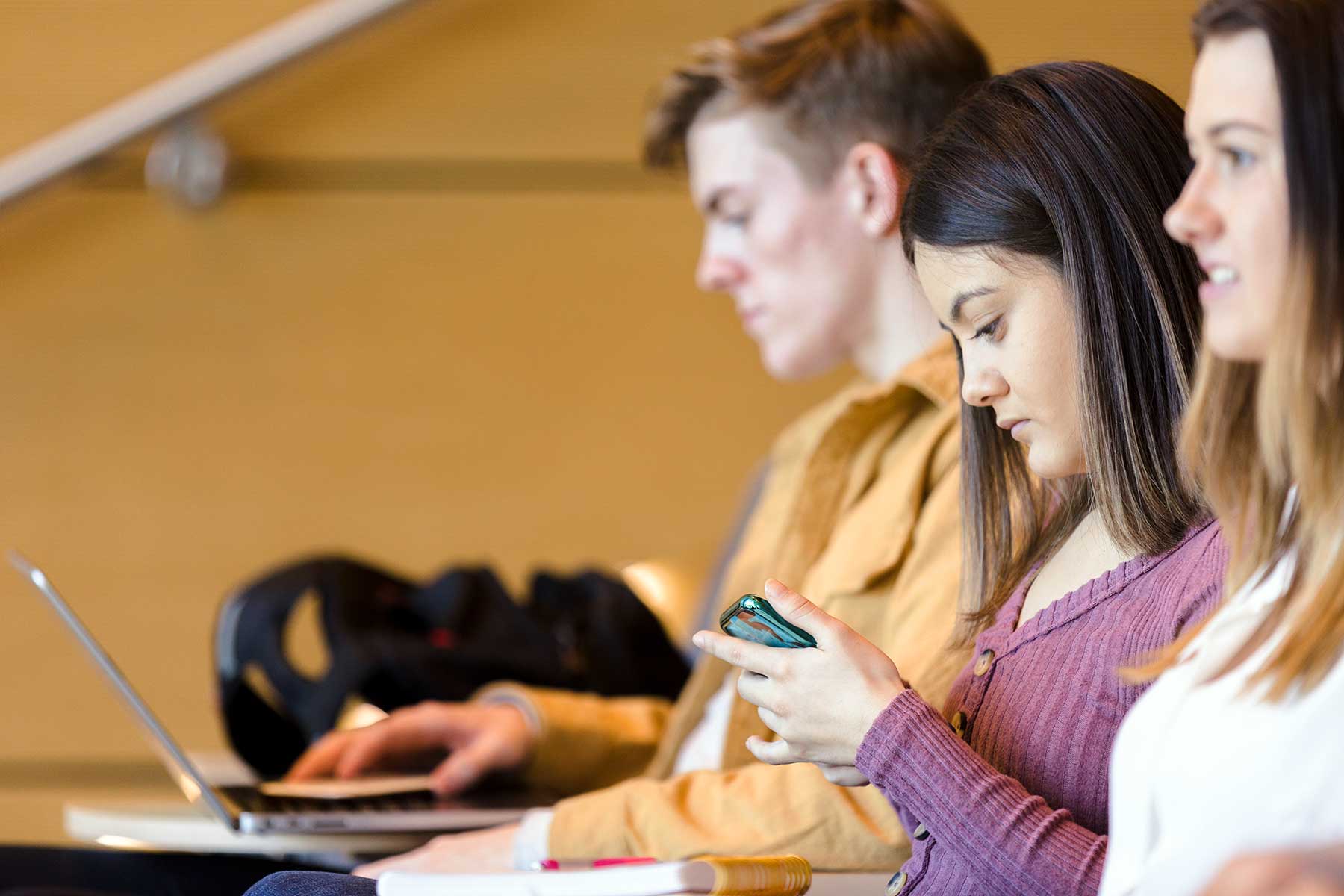
Educators from Labster's community unanimously agree that student engagement is an issue and needs to improve.
COVID was not on anyone's bingo card, and we will never fully comprehend or relate to the student experience during that time. The students shaped by it are now well into higher ed, and the earliest of them are heading into the workforce. In a world where digital natives (Gen Z) and the cohort whose schooling went online during the pandemic (Gen P) fill your classroom, how do we keep them engaged?
We'll explore strategies and advice to captivate and inspire the next generation of learners. It's a heavy lift, but you're not alone.
Gen Z & Gen P Learner Backgrounds
Each generation brings its own learning preferences to the classroom. Let's review the differences between Gen Z and Gen P.
- Gen Z Students: Born into a world of digital technology, Gen Z students are proficient with tech and prefer interactive learning experiences. They expect information to be readily accessible and appreciate learning methods that integrate multimedia, such as videos, simulations, and gamification.
- Gen P Students: Generation Pandemic (Gen P), whose school years were profoundly disrupted by COVID-19, has developed a different relationship with education. The shift to remote learning disrupted traditional classroom dynamics, and many students grew accustomed to a more relaxed, less structured approach. Years on, the effect shows up less as raw "learning loss" and more in how these students engage: a preference for flexibility, hesitancy to ask for help, and a confidence gap when facing rigorous, hands-on work. Understanding and support from educators matter more than ever.
Current State of Student Engagement
In a Labster LinkedIn poll, we asked our audience, "Do you think the pandemic generation of learners is a wave, and eventually we'll see student engagement 'return to normal'?" The results were telling: over half of respondents believe it is "unlikely" that student engagement will return to pre-pandemic levels. This points to a lasting shift in how students interact with their education and highlights the need for new strategies to keep them engaged.
Although the disengagement compact theory was created in 1991, it may be as relevant as ever. It's the unspoken agreement between college teachers and their students that if teachers minimize academic demands and grade generously, students will write good course reviews and allow teachers undisturbed time to focus on the research and publishing that their institutions reward with promotion and tenure.
So how do educators respond to the current state of student engagement? Let's look at 10 strategies you can implement.
10 Expert Solutions to Foster Student Engagement
As student engagement remains a critical issue, it's essential to implement strategies that cater to both digital natives and post-pandemic learners. Here are ten expert solutions designed to help educators captivate and inspire the next generation of learners.
1. Vary Formats
James Lang, author of Small Teaching: Everyday Lessons from the Science of Learning, emphasizes the importance of providing a varied classroom experience. This can be achieved by mixing lectures, discussions, group work, and hands-on activities. Changing the format keeps students interested and caters to different learning styles, ensuring that every student finds a way to engage with the material. Simulations are one of the easiest formats to add without redesigning a course: a 20-minute virtual lab breaks up a theory-heavy week and gives students something to do rather than absorb.
2. Use Real-World Examples
Part of engaging students is connecting to what they care about. Rachel Davenport, a senior lecturer in biology at Texas State, emphasizes using real-world examples to excite students and show them the relevance of the material. Explicitly communicating enthusiasm and the importance of the subject matter can significantly boost engagement.
3. Use the SCAR Method
SCAR stands for survey, categorize, be aware, and react. Eddy van Hunnik, Biotech & Biosciences instructor at Alamance Community College, shared this tactic with Labster:
- Survey: Look around the room and see where students are located.
- Categorize: Are students attentive, distracted, on their phones?
- Be Aware: Know your surroundings. Stay attuned to students' reactions while you teach and what they're doing.
- React: Respond to what you see. If they look puzzled, explain further. If they seem bored, add detail or switch formats.
4. Utilize Quizzes to Test Learning
Regular quizzes keep students engaged and provide immediate feedback. Multiple short quizzes (3–5 questions each) are most effective for maintaining student interest and checking comprehension. This approach helps students stay on track and gives them a reason to attend class and participate actively.
5. Leverage Technology
McKinsey research shows that students and faculty alike have been eager to keep using the classroom technologies that became mainstream during the pandemic. Virtual labs, educational apps, and online collaboration platforms cater to the tech-savvy nature of Gen Z and Gen P students. Virtual labs like Labster's, for example, let students run experiments they'd otherwise never experience, making learning not only more interactive but also helping bridge the gap between theoretical knowledge and practical application.
.jpeg)
6. Maintain Flexibility
Recognize the diverse needs of post-pandemic learners by offering flexible learning options. Blended models that combine in-person and online instruction can accommodate different preferences and situations. "I think lower student attendance directly correlates with how flexible and accommodating the instructor is with their makeup-work policy and excused absences," said an instructor.
7. Provide Support
Acknowledge the unique challenges faced by students and offer support services. Counseling, academic advising, and peer mentoring can help students navigate their educational journeys, and resources for mental health and well-being are crucial for helping them manage stress and stay focused.
8. Offer Opportunities for Collaborative Learning
Promote teamwork through group assignments and lab activities. According to a study, "Several decades of empirical research have demonstrated the positive relationship between collaborative learning and student achievement, effort, persistence, and motivation." Working through a project — or a shared simulation — together lets students learn from one another, share different perspectives, and build a sense of community in the classroom.
9. Encourage Vulnerability
Create room for students to be vulnerable, because vulnerability is linked to courage and growth. As one piece on the workplace notes, "When people show vulnerability, they allow stronger bonds to be formed. They can also grow because they are willing to be open and honest about their mistakes rather than bury their head in the sand." It's just as true in the classroom, and lower-stakes practice environments make that openness easier.
10. Acknowledge the Elephant in the Room
For years the elephant was COVID; now it shares the room with AI. Josh Eyler, Director of the Center for Excellence in Teaching and Learning at the University of Mississippi, suggests having a frank discussion with students about their experiences and how to make the most of in-person learning. That same candor now extends to how students use AI in their work. Naming it openly helps students feel understood and keeps engagement honest. Open conversations about both challenges can help students feel understood and valued.
Final Thoughts
By understanding the distinct characteristics and needs of Gen Z and Gen P learners, educators can implement targeted strategies that foster engagement and success. The post-pandemic landscape — now layered with questions about AI and confidence — presents real challenges, but with the right tools and approaches, educators can build dynamic, supportive environments for every student.
Download the PDF Version
FAQs
Heading 1
Heading 2
Heading 3
Heading 4
Heading 5
Heading 6
Lorem ipsum dolor sit amet, consectetur adipiscing elit, sed do eiusmod tempor incididunt ut labore et dolore magna aliqua. Ut enim ad minim veniam, quis nostrud exercitation ullamco laboris nisi ut aliquip ex ea commodo consequat. Duis aute irure dolor in reprehenderit in voluptate velit esse cillum dolore eu fugiat nulla pariatur.
Block quote
Ordered list
- Item 1
- Item 2
- Item 3
Unordered list
- Item A
- Item B
- Item C
Bold text
Emphasis
Superscript
Subscript
Gen P, or "Generation Pandemic," refers to students whose schooling was significantly disrupted by COVID-19 school closures and the shift to remote learning. Unlike Gen Z, who were born into digital technology, Gen P is defined by how they learned during a formative period rather than when they were born. As of 2026, this cohort is well into higher education, and the effects show up less as raw learning loss and more in engagement patterns: a preference for flexibility, hesitancy to ask for help, and a confidence gap when facing rigorous, hands-on work.
There is no single fix, but the most effective approach combines varied formats, real-world relevance, and low-stakes practice that lets students build confidence before it counts. Because Gen P and Gen Z students often disengage when work feels rigid or high-risk, strategies like short, frequent quizzes, blended learning, hands-on simulations, and open acknowledgment of the challenges they face tend to outperform lecture-only formats. The goal is to give students something to do, not just absorb.
Student engagement is declining because the pandemic changed how students relate to structure, effort, and seeking help, and most educators don't expect it to reverse. In a Labster LinkedIn poll, over half of respondents said it was "unlikely" that engagement would return to pre-pandemic levels. Rather than waiting for a return to normal, educators are adopting new strategies built for how students learn now, including flexible policies, collaborative work, and interactive technology.
Technology improves STEM engagement by turning passive content into active, hands-on experiences and giving students a safe space to practice. Virtual labs, for example, let students run experiments they'd otherwise never experience, bridging theory and real-world application while building competence in a low-stakes environment. Tools like Labster's virtual simulations cater to the interactive learning styles Gen Z and Gen P students expect.
Educators should address AI directly and openly. Just as candid conversations about the pandemic help students feel understood, naming how students actually use AI in their work turns a source of tension into a shared starting point. Open dialogue keeps engagement honest and helps students learn to use AI as a tool for understanding rather than a shortcut around it.
