What Keeps Online STEM Students Enrolled | Labster Research
New research surveyed 400+ online and hybrid STEM students to reveal what drives persistence and retention, and why experiential learning is the key.



Name of the heading
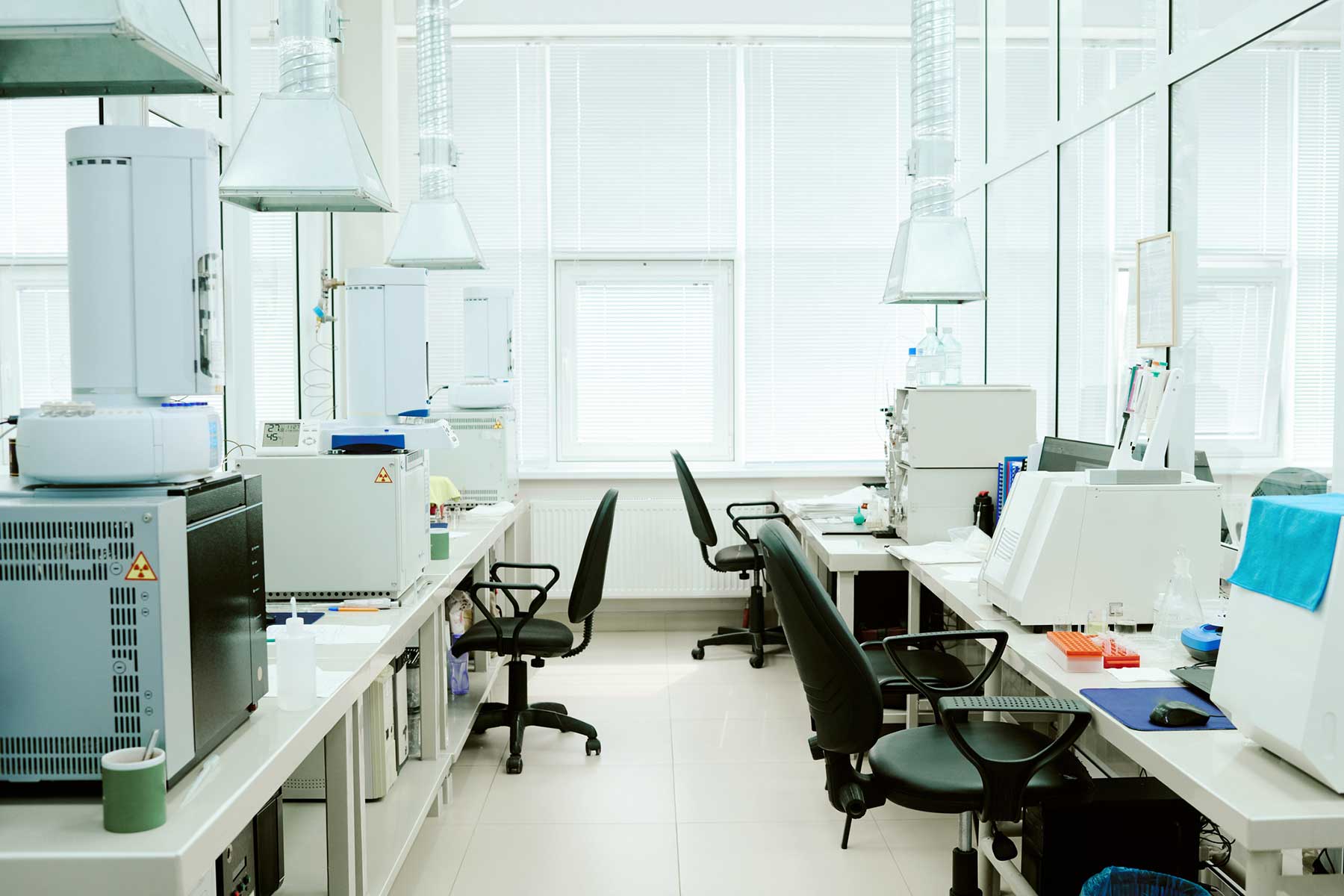
My mom was an AP Biology teacher, so our house often felt like an extension of her classroom lab. Strange specimens in the fridge we didn't question. Pipettes in the utensil drawer. Or seeing a handwritten note on a jar near the sink warning, "DO NOT POUR THIS DOWN THE DRAIN."
As a result, lab environments felt familiar to me from an early age. When I walked into my first college lab, I felt fairly comfortable. But some of my classmates had a different experience. Some second-guessed themselves or hesitated to participate because they were worried about making mistakes. Some may have even quietly questioned whether they belonged in the course at all.
Those feelings matter more than we may realize. They can lead to increased anxiety, lower participation, difficulty with assignments, and, in some cases, students leaving STEM pathways altogether.
At its core, much of this comes down to one thing: Confidence.
In STEM education, confidence is often treated as a "soft" outcome compared to grades, test scores, or completion rates. But in reality, it influences all of those things. Students who believe they can succeed are more likely to engage, persist through setbacks, and continue pursuing STEM when courses become challenging. Students who lack confidence often do the opposite.
That's why confidence deserves more attention in the conversations we have about STEM student success.
Every STEM educator has seen it happen. Two students receive the same grade on an exam. One views it as a temporary setback. The other sees it as evidence that they simply aren't good at science.
The difference is self-efficacy: a student's belief that they can successfully perform a task or overcome a challenge. Research has consistently shown that self-efficacy is one of the strongest predictors of persistence in STEM fields. Students who feel capable are more likely to continue through difficult coursework, remain engaged, and ultimately complete their degrees.
This is especially important in gateway STEM courses, whether delivered in-person, hybrid, or online, where early experiences often shape a student's long-term academic trajectory.
Confidence has always mattered. What makes it especially important today is the environment many students are already navigating. Across higher education, faculty and student support teams report growing concerns around stress, anxiety, and overall mental wellness. Many students are balancing academic demands alongside work, financial pressures, and family obligations. Others are continuing educational journeys that were disrupted. These realities don't stop at the classroom door.
When students already feel overwhelmed, academic experiences that reinforce self-doubt become significantly more difficult to navigate.
In laboratory environments, feelings of anxiety and lack of confidence can be particularly challenging. Labs ask students to apply concepts, operate unfamiliar equipment, make decisions, and work through uncertainty. For students who already doubt their abilities, these experiences can create significant anxiety before they even begin.
The signs often appear early, though they may be subtle. Students participate less. They ask fewer questions. They disengage from activities where they fear making mistakes. Eventually, some withdraw from courses or change academic pathways altogether. That cascading effect means students who were capable all along miss out on a future in STEM.
The encouraging news is that confidence is not fixed. It develops through experience: practicing skills, applying concepts, overcoming setbacks, and learning from mistakes in environments where failure is part of the process rather than something to be feared.
That's one reason immersive learning experiences, including virtual simulations, have become increasingly valuable as part of STEM instruction. Students can explore concepts, practice procedures, and learn from mistakes in a low-risk environment before stepping into a physical lab. The result isn't simply better preparation. It's confidence that success is possible.
Educational institutions rightly focus on retention, completion, and student achievement. Those outcomes matter tremendously. But confidence deserves a place in the conversation as well because it helps drive the outcomes institutions care about most.
Students who believe they can succeed are more likely to persist. Students who persist are more likely to complete courses and programs. And students who complete those programs are more likely to pursue careers that depend on STEM knowledge and skills.
While confidence may seem intangible, it's often one of the earliest indicators of whether a student will continue moving forward.
As educators think about how to support today's learners, especially in an era where anxiety and stress are increasingly common, helping students build confidence may be one of the most important investments they can make.
I expect most science instructors are a lot like my mom: passionate, committed, and energized by the possibility that every student who walks into their classroom might discover a future in STEM. What I remember most about watching her teach wasn't just her love of biology. It was her belief in her students. She expected them to struggle. She expected them to make mistakes. But she never doubted that they could learn.
Confidence can be the difference between a student who leans into a challenge and one who turns away from it. Every opportunity students have to practice, experiment, and build competence increases the likelihood that they will persist and succeed.
Virtual labs help create those opportunities for more students in a way that is consistent, scalable, and efficient. And when more students feel prepared enough to take that first step, more of them discover that they belonged in STEM all along.
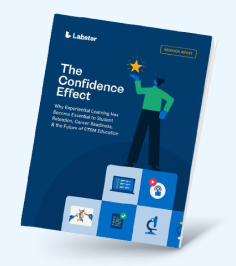
Learn more about the role of confidence in STEM student outcomes in The Confidence Effect, a 2026 report on over 400 online and hybrid students that reveals what drives persistence and retention, and why experiential learning is the key.
Explore how Labster pricing works for your institution and get a quote based on your program's size and needs.