


Heading 1
Heading 2
Heading 3
Heading 4
Heading 5
Heading 6
Lorem ipsum dolor sit amet, consectetur adipiscing elit, sed do eiusmod tempor incididunt ut labore et dolore magna aliqua. Ut enim ad minim veniam, quis nostrud exercitation ullamco laboris nisi ut aliquip ex ea commodo consequat. Duis aute irure dolor in reprehenderit in voluptate velit esse cillum dolore eu fugiat nulla pariatur.
Block quote
Ordered list
- Item 1
- Item 2
- Item 3
Unordered list
- Item A
- Item B
- Item C
Bold text
Emphasis
Superscript
Subscript
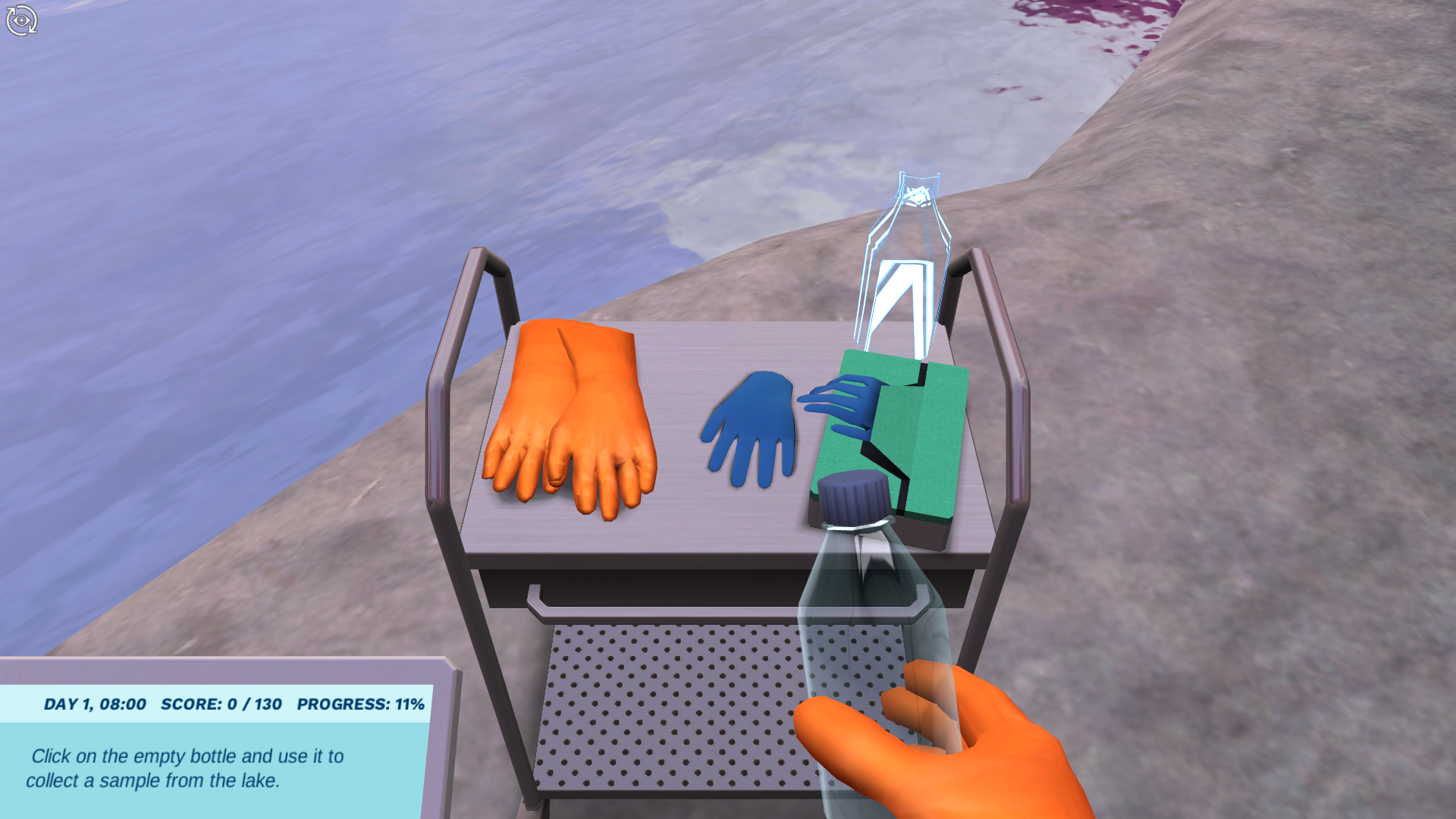
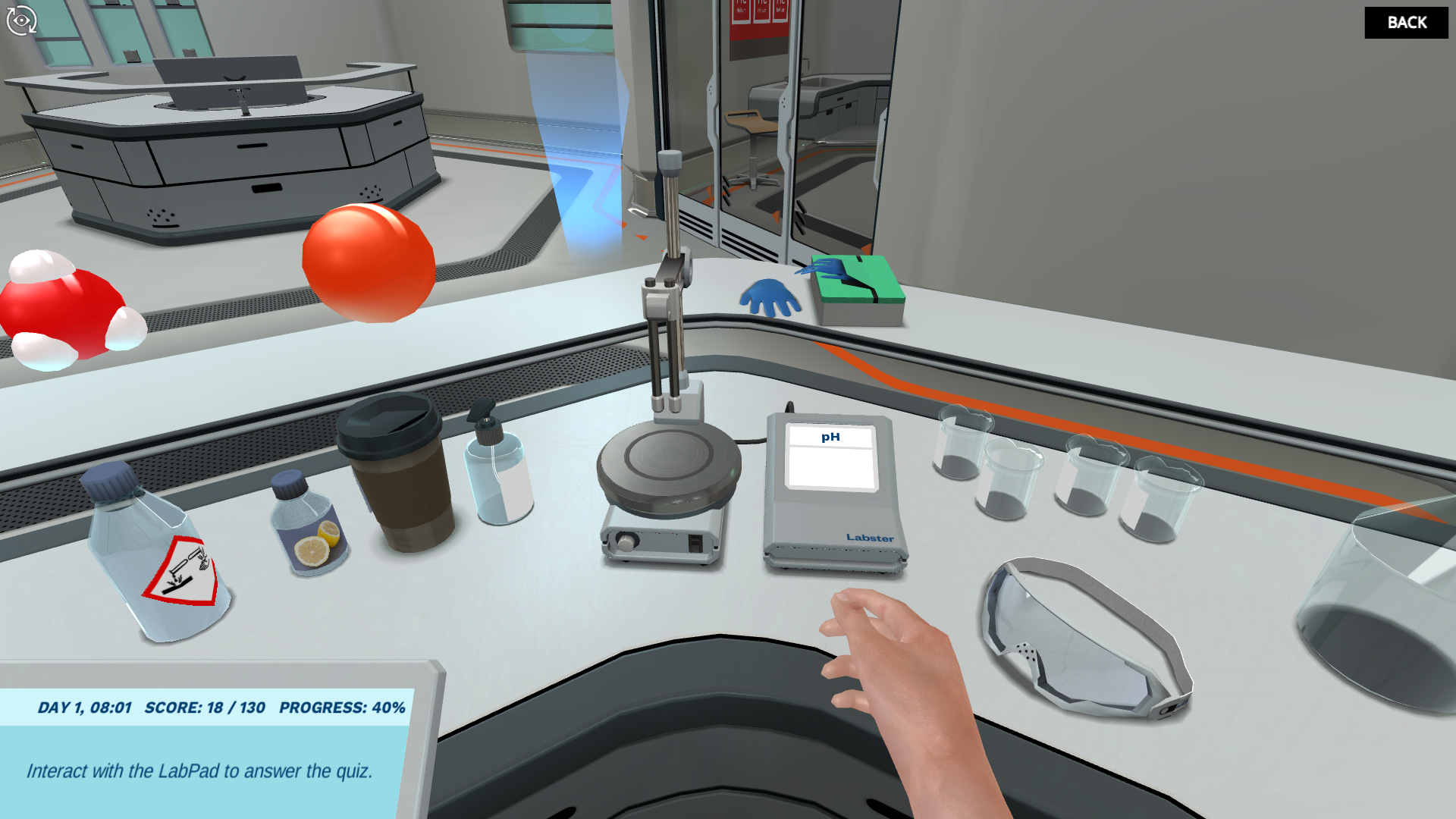
Simulation Details
Learning Objectives
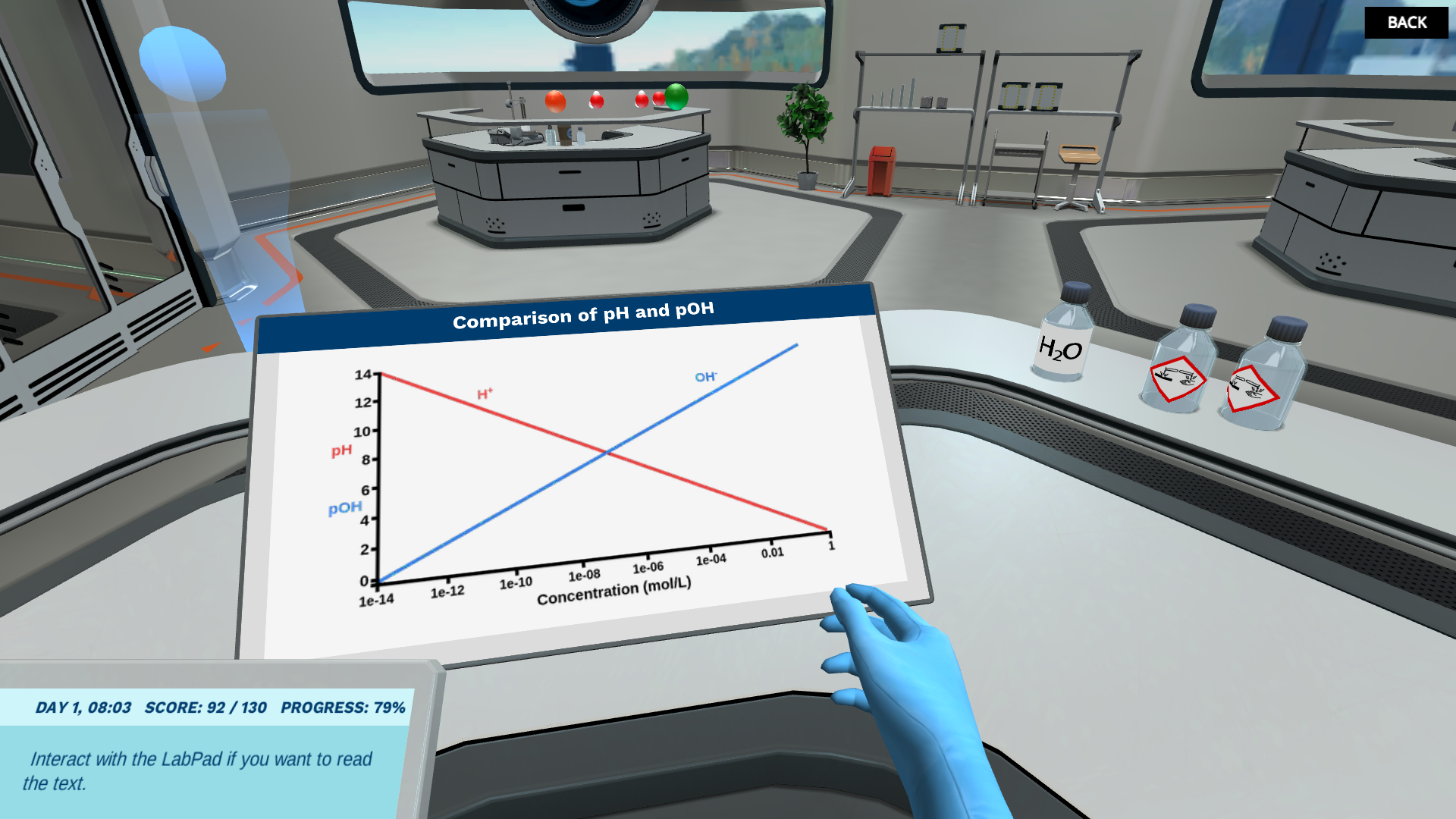
- Understand that acids and bases can be found everywhere
- Understand the logarithmic nature of the pH scale
- Calculate the pH of a strong acid or base
Skills Developed
Learners practice Laboratory Instruments & Methods, developing skills in performing titration, interpreting NMR, IR, and mass spectrometry results, conducting chromatography and PCR, and carrying out synthetic and sample preparation techniques.
Learners practice Quantitative Reasoning & Scientific Prediction, developing skills in applying algorithmic thinking, using linear and non-linear functions (including logarithmic and trigonometric models), forecasting system states, and implementing Monte Carlo methods.
Lab Techniques
- pH meter
Related Standards
- HS-PS1-2, HS-PS1-5
- 4.8 Introduction to Acid-Base Reactions
- 8.2 pH and pOH of Strong Acids and Bases
- 8.1 Introduction to Acids and Bases
- 8.1 Theories of acids and bases
- 8.3 The pH scale
- 8.2 Properties of acids and bases
Works With the Tools You Already Use
Labster connects with the systems educators and institutions already rely on. We partner with LMS platforms and leading digital and campus-managed bookstores. Purchase, post assignments, and sync grades without leaving your existing workflows.







Choose How You'd Like to Learn More


See How Science Programs Are Turning Curiosity Into Action and Mistakes Into Learning
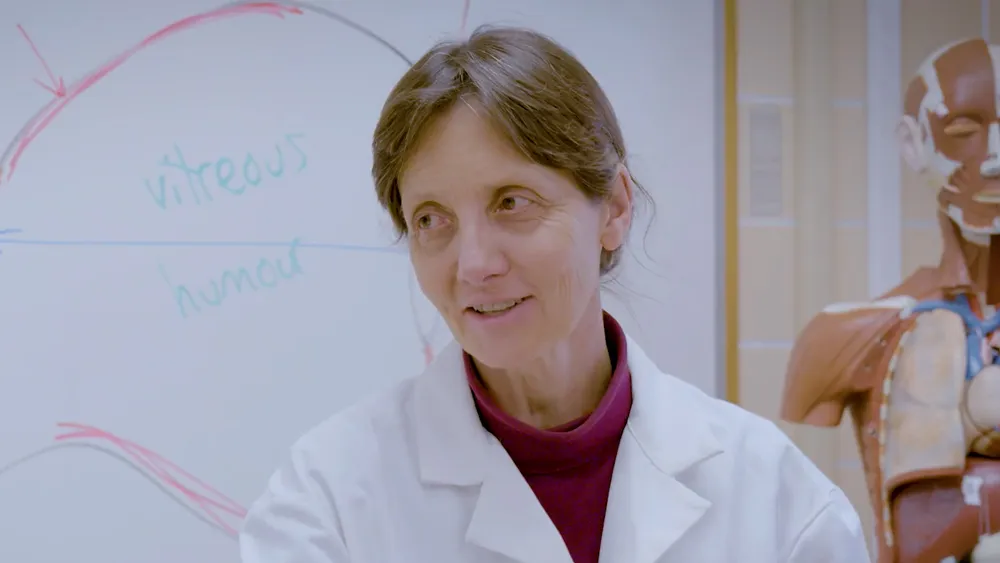
North Dakota State College of Science
“They did the simulation at home, then completed the in-person lab within 30 minutes, no questions asked, and passed the quiz with flying colors.”

University of Westminster
"I saw some of the students who clearly didn’t necessarily like sitting there reading a book discover they could turn on Labster and keep up with the rest of the class because it spoke to them.

Modesto City Schools
"Having something that's engaging for the students gives teachers that opportunity to breathe and get excited again. Because they're seeing the kids light up, they're seeing the kids engage with content."

Wenatchee Valley College
"The question always is, ‘Can we demonstrate that the students are meeting course outcomes?’ Check! We can do that.”

San José State University
"We surveyed over 400 students. More than 90% thought Labster was easy to navigate, and that it was fun, but more importantly, most of them felt confident that they could execute the labs in person. And that confidence is a big deal."




Related Course
+20 other courses
Find Virtual Labs That Perfectly Match Your Syllabus
Get Instant, Personalized Recommendations to Help Reinforce Your Course Content

Frequently Asked Questions
Heading 1
Heading 2
Heading 3
Heading 4
Heading 5
Heading 6
Lorem ipsum dolor sit amet, consectetur adipiscing elit, sed do eiusmod tempor incididunt ut labore et dolore magna aliqua. Ut enim ad minim veniam, quis nostrud exercitation ullamco laboris nisi ut aliquip ex ea commodo consequat. Duis aute irure dolor in reprehenderit in voluptate velit esse cillum dolore eu fugiat nulla pariatur.
Block quote
Ordered list
- Item 1
- Item 2
- Item 3
Unordered list
- Item A
- Item B
- Item C
Bold text
Emphasis
Superscript
Subscript
A Labster virtual lab is an interactive assignment students complete online, on their own schedule. Some labs build foundational knowledge for gateway courses, using visualizations that make complex concepts easier to grasp. Others give students realistic practice with lab techniques and equipment before they step into a wet lab or a STEM career.
Labster supports STEM courses in biology, chemistry, physics, and health sciences within colleges, universities, high school districts, and online academies. Search the Content Catalog to find simulations for your courses.
Yes. Labster integrates with the LMS platforms colleges and universities use most, including Canvas, Blackboard, D2L Brightspace, Moodle, and more. Students open Labster like any other assignment in their course. If your institution doesn't use an LMS integration, students log in through Labster's Course Manager.