Scientific Communication & Evidence-Based Argumentation
Interpret evidence and communicate scientific conclusions clearly.
Request a Demo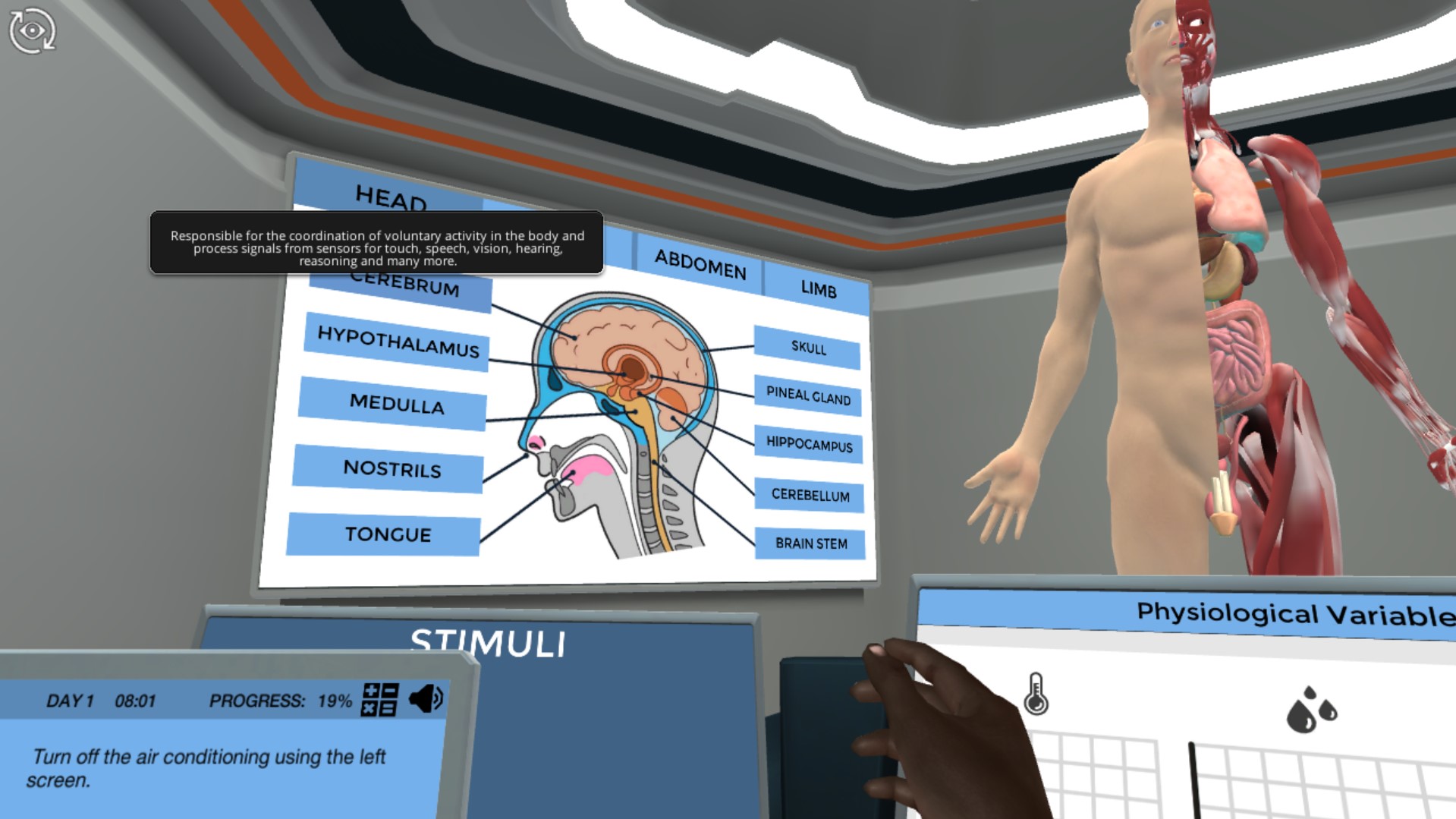
Collection Simulations
Advanced Acids and Bases
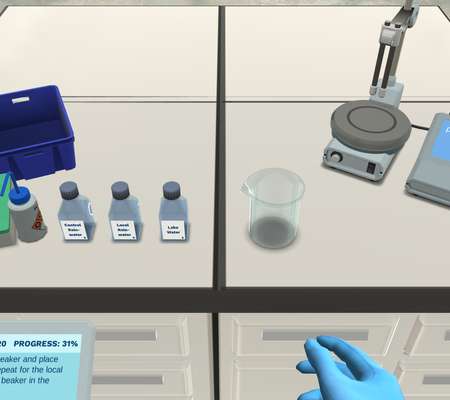
Join us in in the exploration of acids and bases and learn all the advanced terms used in chemistry.
Animal Genetics
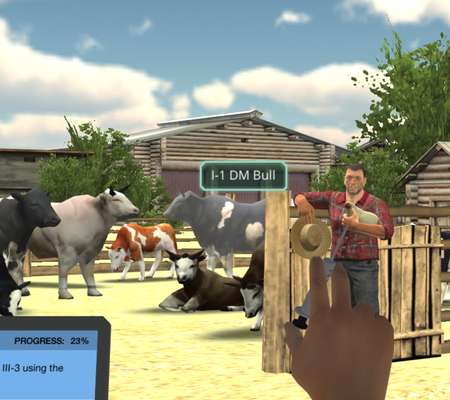
Learn about the Mendelian inheritance of double muscling in cattle. Find the responsible gene using linkage analysis and learn how mutation in this gene alters gene expression resulting in double muscled cattle.
.png?fm=jpg&w=450&h=400)
Aromatic Compound Nomenclature: Naming benzene’s derivatives
Join Dr.One in our chemistry lab to learn how to recognize aromaticity, master IUPAC and non-systematic nomenclature, and classify compounds as aromatic or non-aromatic. Do you have what it takes to become champion of the chemistry Olympics?
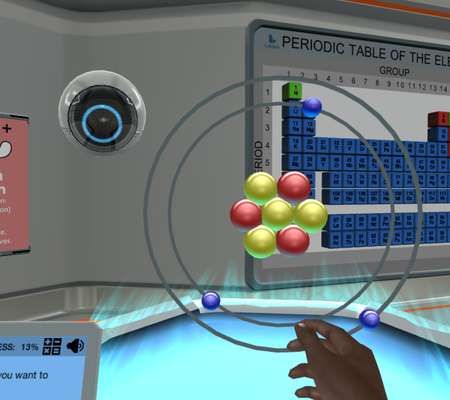
Atomic Structure (Principles): Atoms and isotopes
Learn about the atomic structure of the elements and investigate the properties of element samples from an exoplanet to assess whether life on it is a possibility. Find out what differentiates ions and isotopes of an element.
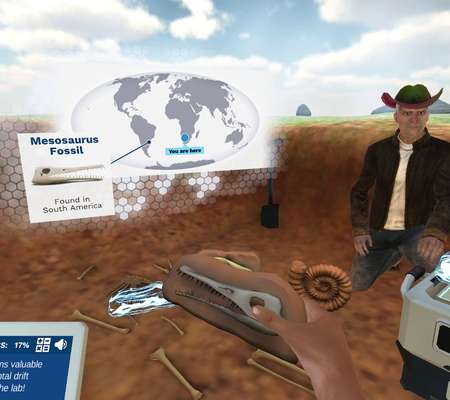
Continental Drift Theory: Past and future locations of the world's continents
Solve the continental mystery discovered by Alfred Wegener. Piece together the jigsaw puzzle of continental drift by investigating different forms of evidence, and unravel the story they tell about how the continents have moved over millions of years.
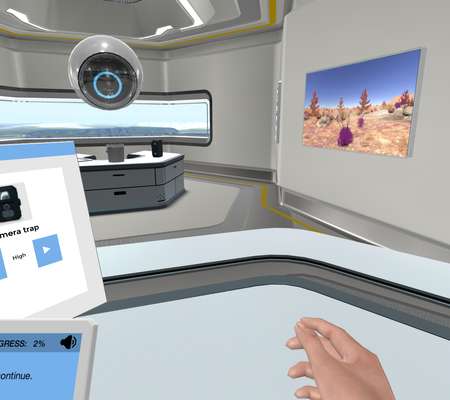
Biodiversity: Assess and compare biodiversity on an exoplanet
Travel to the exoplanet Astakos IV and use ecological methods to assess and compare biodiversity over time and between different sites.
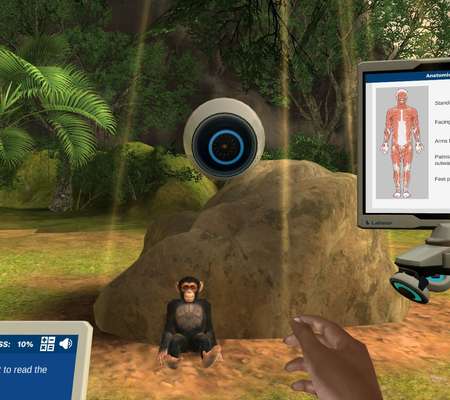
Body Planes and Sections: Locate a chimpanzee’s injuries
In this virtual lab you will help release an injured chimpanzee back into the wild by using your newfound knowledge of body planes and sections.
.png?fm=jpg&w=450&h=400)
Body Structure and Organization: Help identify a potentially failing organ system
Learn about organ systems, their major functions, and the body cavities they're placed in, then use this knowledge to help respond to a medical emergency. Can you connect a patient’s symptoms to a potentially failing organ system?
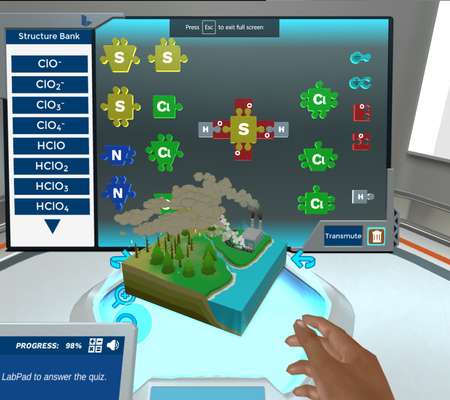
Chemical Nomenclature: Learn the importance of inorganic compounds in life!
Become an alchemist for the day! Conjure up the names of inorganic compounds and learn their applications. Can you unlock all 16 transmute structures?
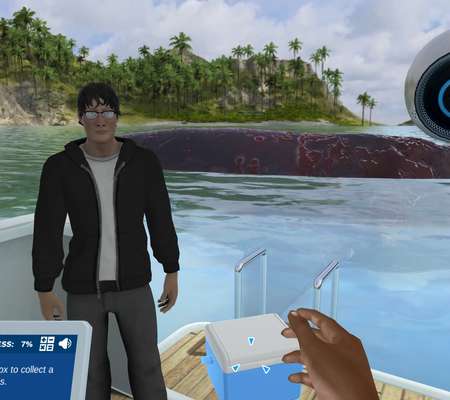
Evolution: Are you related to a sea monster?
Learn the basic mechanisms of evolution in order to simulate how a population evolved over hundreds of years, and learn how random mutations are the basis of natural selection.
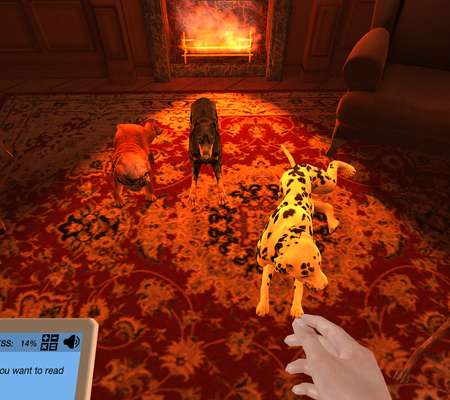
Evolution: Journey of the canids
Follow the million-year evolutionary journey of a canid colony as you create random mutations in their DNA.
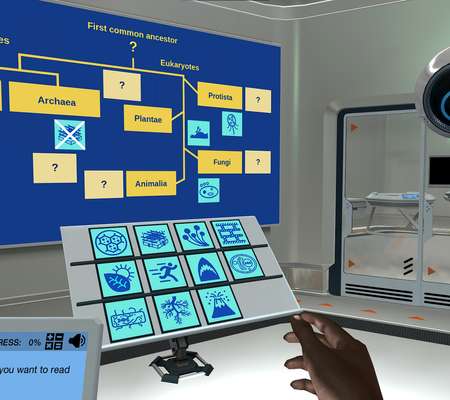
Evolution: Taxonomic tree of life
Build a taxonomic tree that unites all life on Earth by exploring the differences between organisms.
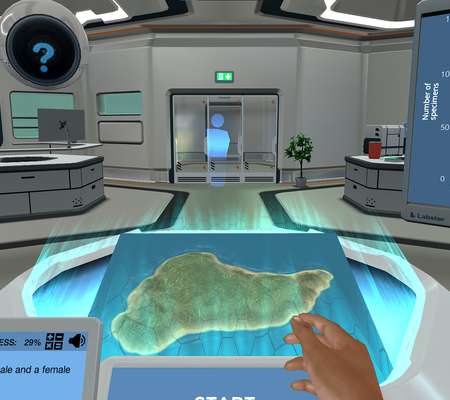
Evolution: Generations of an allele
Dive into the evolution of whales! Follow the path of a gene from a rare mutation to being stuck in a population through natural disasters and competition.
.png?fm=jpg&w=450&h=400)
Evolution: Identifying a deep sea creature
Dive into the evolution of whales: from a sequence of nucleotides to a 30-meter long blue whale.
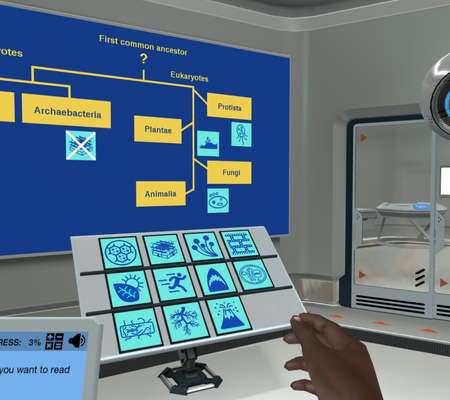
Evolution: Founding theories and principles
Follow the million-year evolutionary journey of a canid colony as you create random mutations in their DNA and critique biological evidence to build a taxonomic tree that unites all life on Earth.
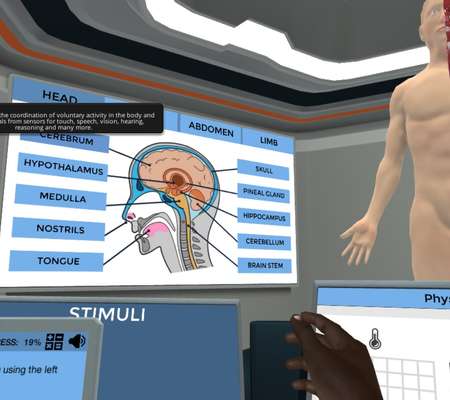
Homeostatic Control: How does the human body keep itself in balance?
Ever wondered how your body constantly regulates itself to stay healthy? Visit the Homeostatic Control lab to learn all about the concept of homeostasis and how it can be applied to a wide range of systems, from blood pressure to body temperature.
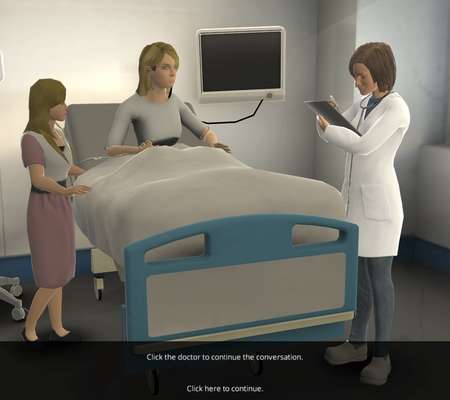
Medical Genetics
Learn about Mendelian genetics, linkage analysis, hereditary cancer, tumor suppressor, oncogenes and how to identify a defective gene in a family.
.png?fm=jpg&w=450&h=400)
Inheritance with Pedigrees
Investigate the principles of inheritance and draw a pedigree tree to understand how color blindness is inherited.
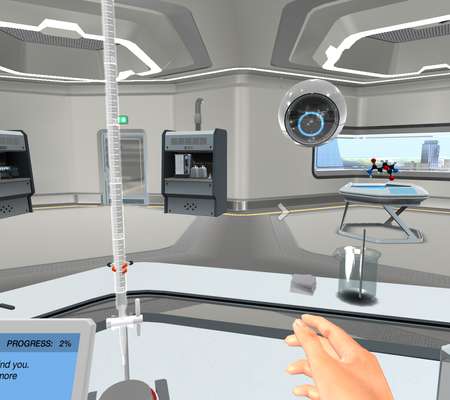
Kjeldahl Method: Estimate the protein content in food
Measure the protein content in a food sample with the Kjeldahl method, and investigate whether the apparent result has been tampered with by using LC-MS/MS.
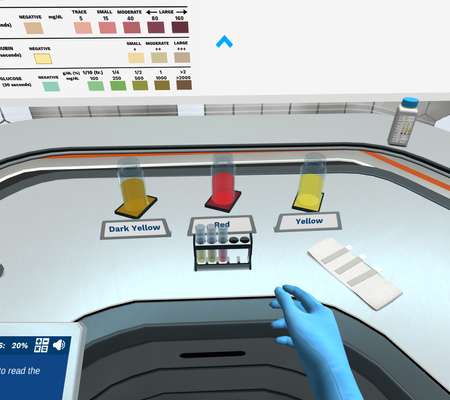
Urinalysis: Analyze urine to suggest a diagnosis
Perform the three stages of urinalysis on a variety of urine samples collected from patients. Apply your knowledge of urine's macroscopic, chemical, and microscopic properties to interpret the urinalysis results and suggest a plausible diagnosis.
.png?fm=jpg&w=450&h=400)
Infrared Spectroscopy
Dive into a virtual laboratory to discover the secrets of infrared spectroscopy. From the introduction of different vibrational modes to the interpretation of real-life spectra, mastering this technique will be child’s play.
Find Virtual Labs That Perfectly Match Your Syllabus
Get Instant, Personalized Recommendations to Help Reinforce Your Course Content