
Inquiry-Based Learning
Collection Simulations
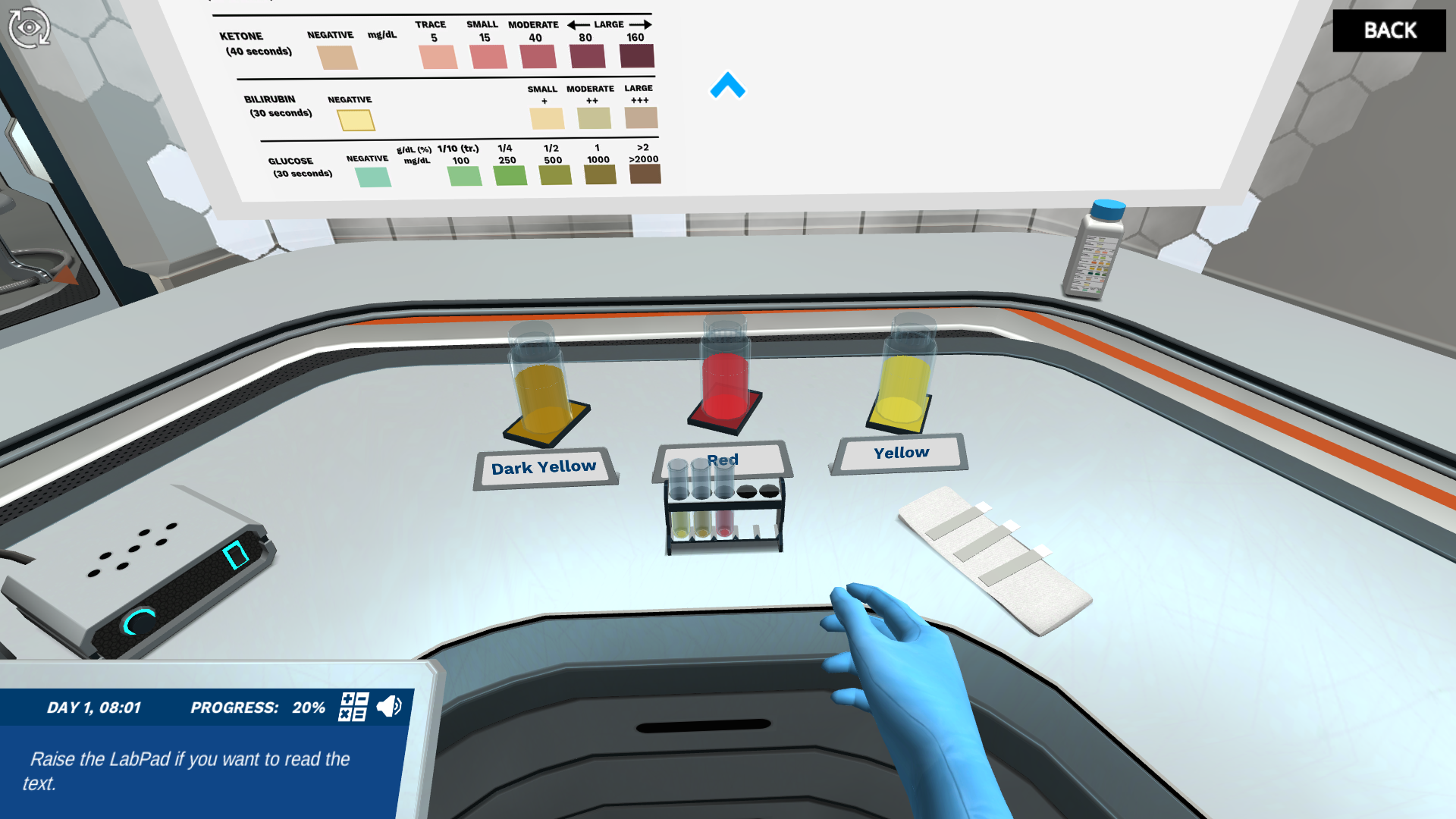
Urinalysis: Analyze urine to suggest a diagnosis
Perform the three stages of urinalysis on a variety of urine samples collected from patients. Apply your knowledge of urine's macroscopic, chemical, and microscopic properties to interpret the urinalysis results and suggest a plausible diagnosis.
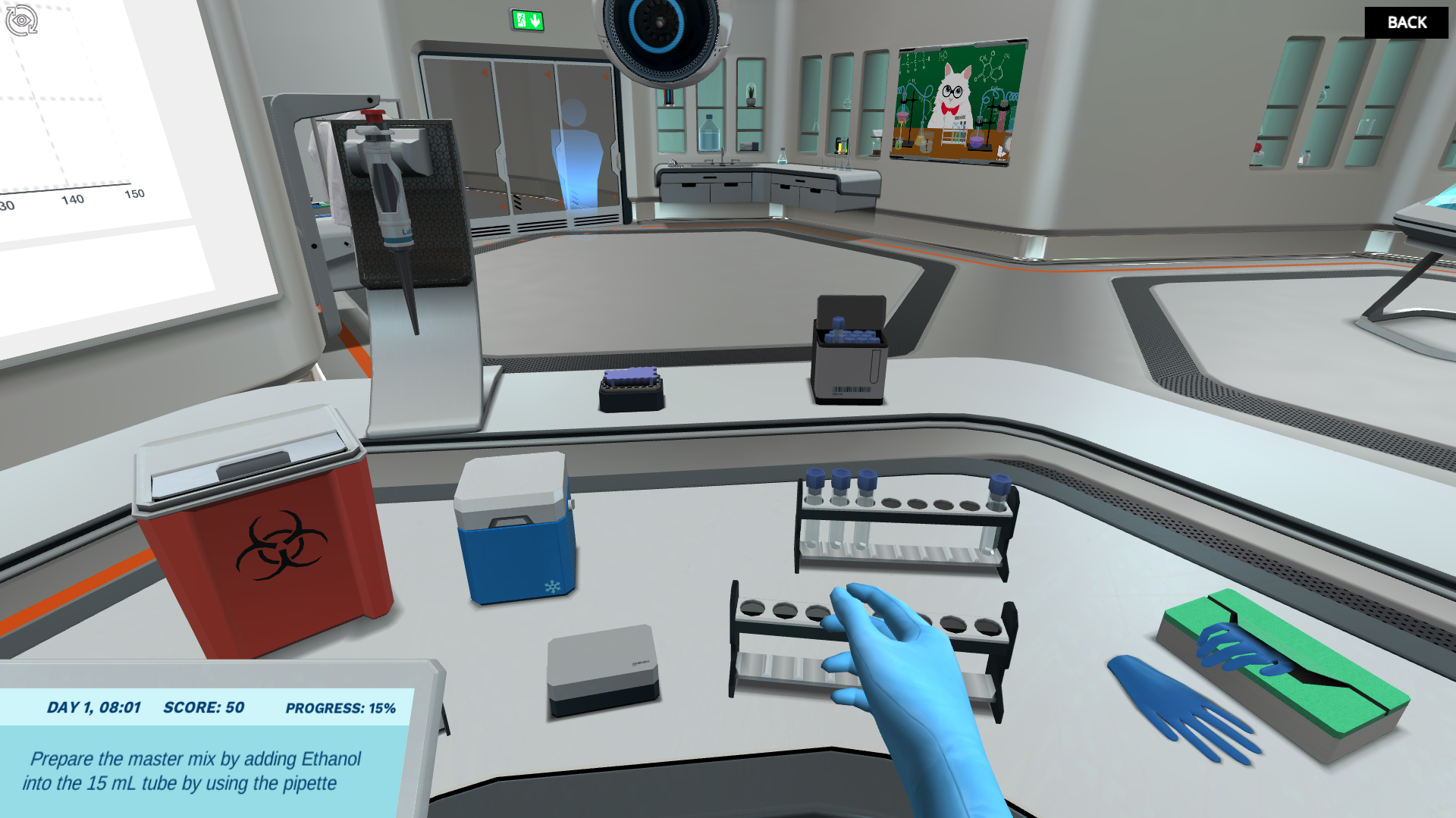
Enzyme Kinetics
Investigate Alcohol Flush Syndrome by studying Alcohol Dehydrogenase kinetics. Learn how to use a spectrophotometer, perform an enzyme kinetics experiment, analyze data and understand different inhibition mechanisms.
.png)
Photosynthesis: Algae pigment analysis
Help Roxy figure out if a mysterious dark algae is able to do photosynthesis using green light and measure this process with the Hill reaction.
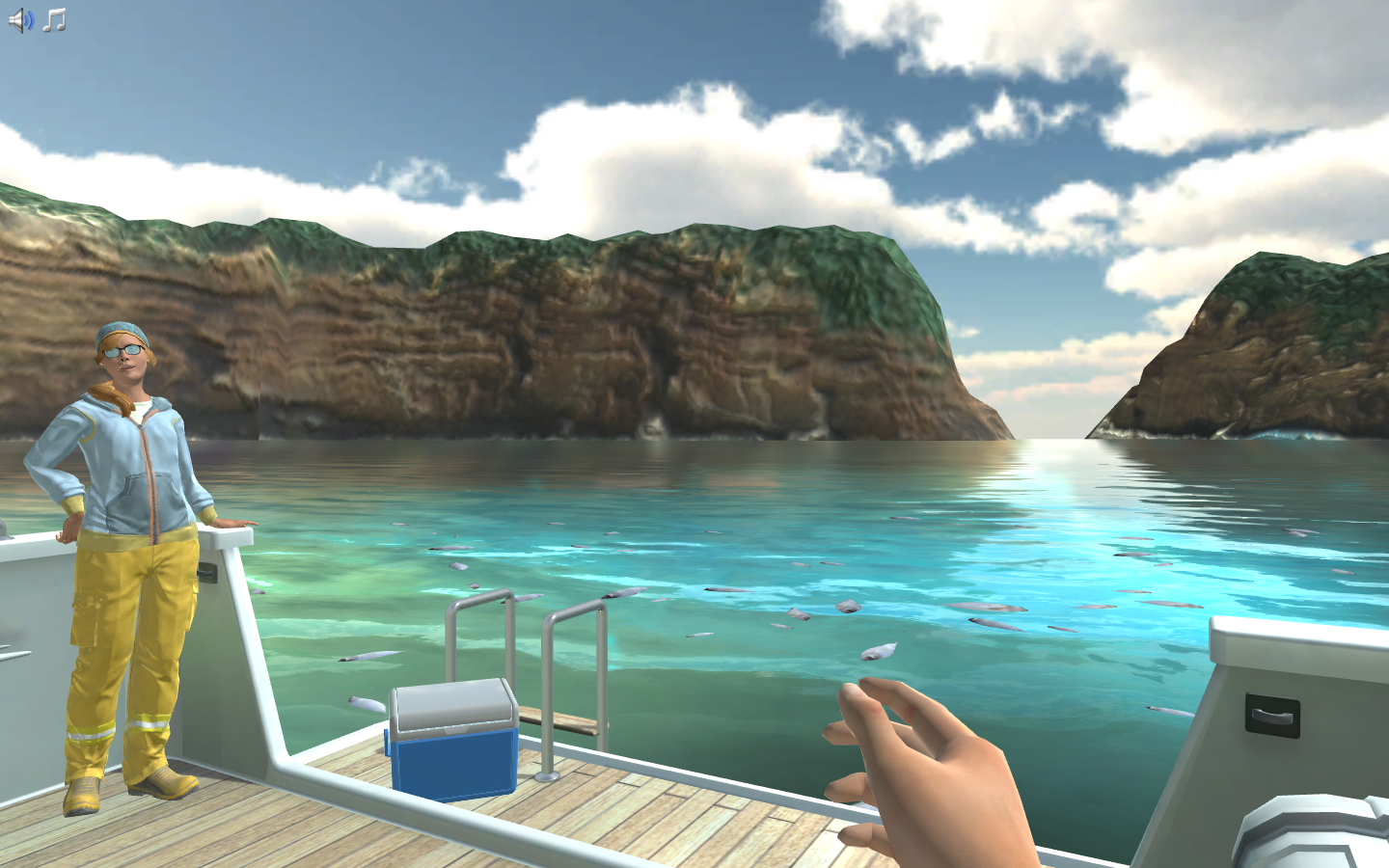
Eutrophication
Utilize microscopy and spectroscopy techniques to solve a massive fish kill mystery. Investigate how dissolved nitrogen levels and an algal bloom are linked to the fish population.
.png)
Evolution: Identifying a deep sea creature
Dive into the evolution of whales: from a sequence of nucleotides to a 30-meter long blue whale.
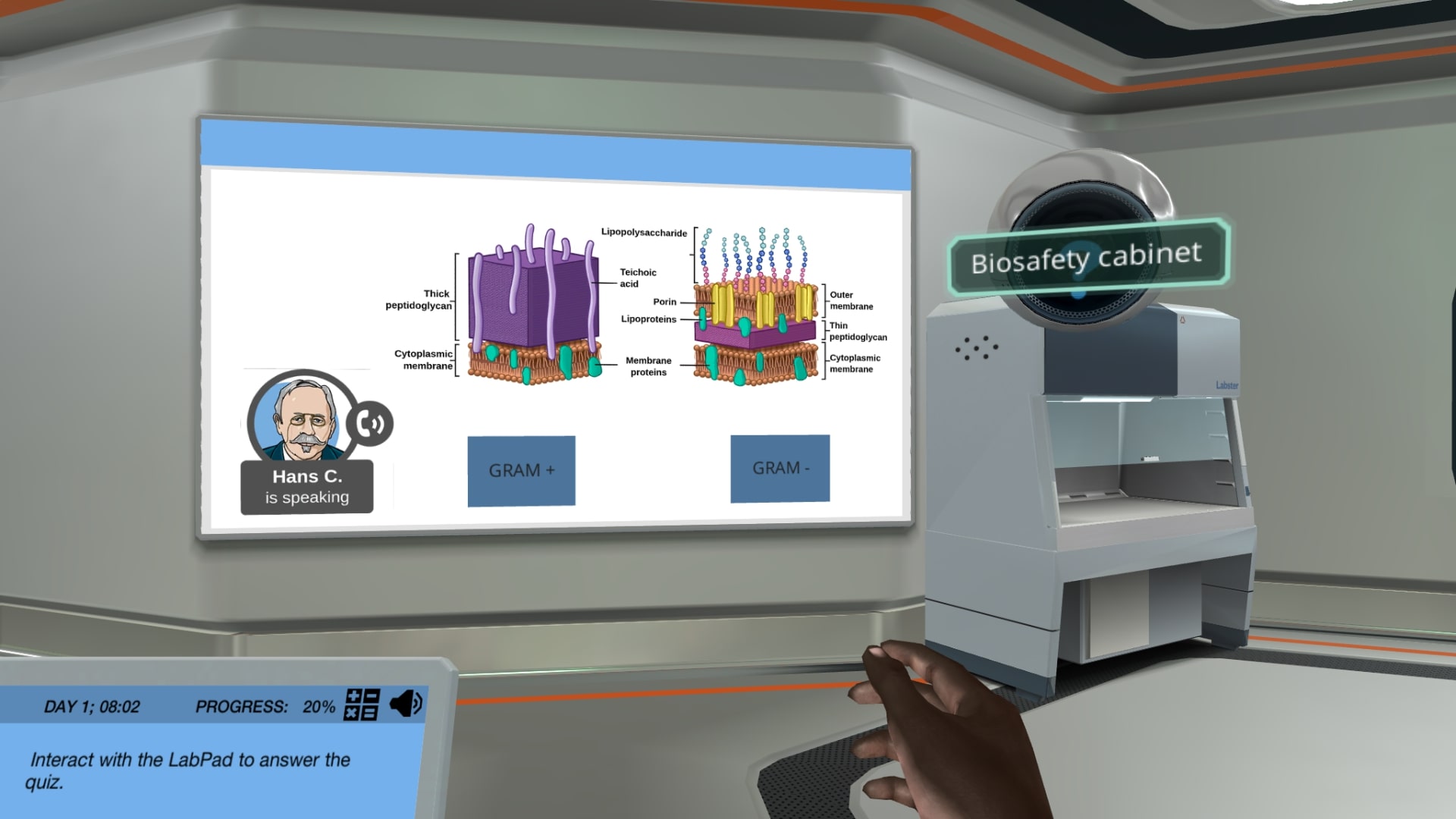
Using the Gram Stain to Help Diagnose Meningitis
Perform the Gram stain on a sample collected from the patient and use microscopy to identify the presence of bacteria to help guide the proper antibiotic treatment. Screen reader support enabled.
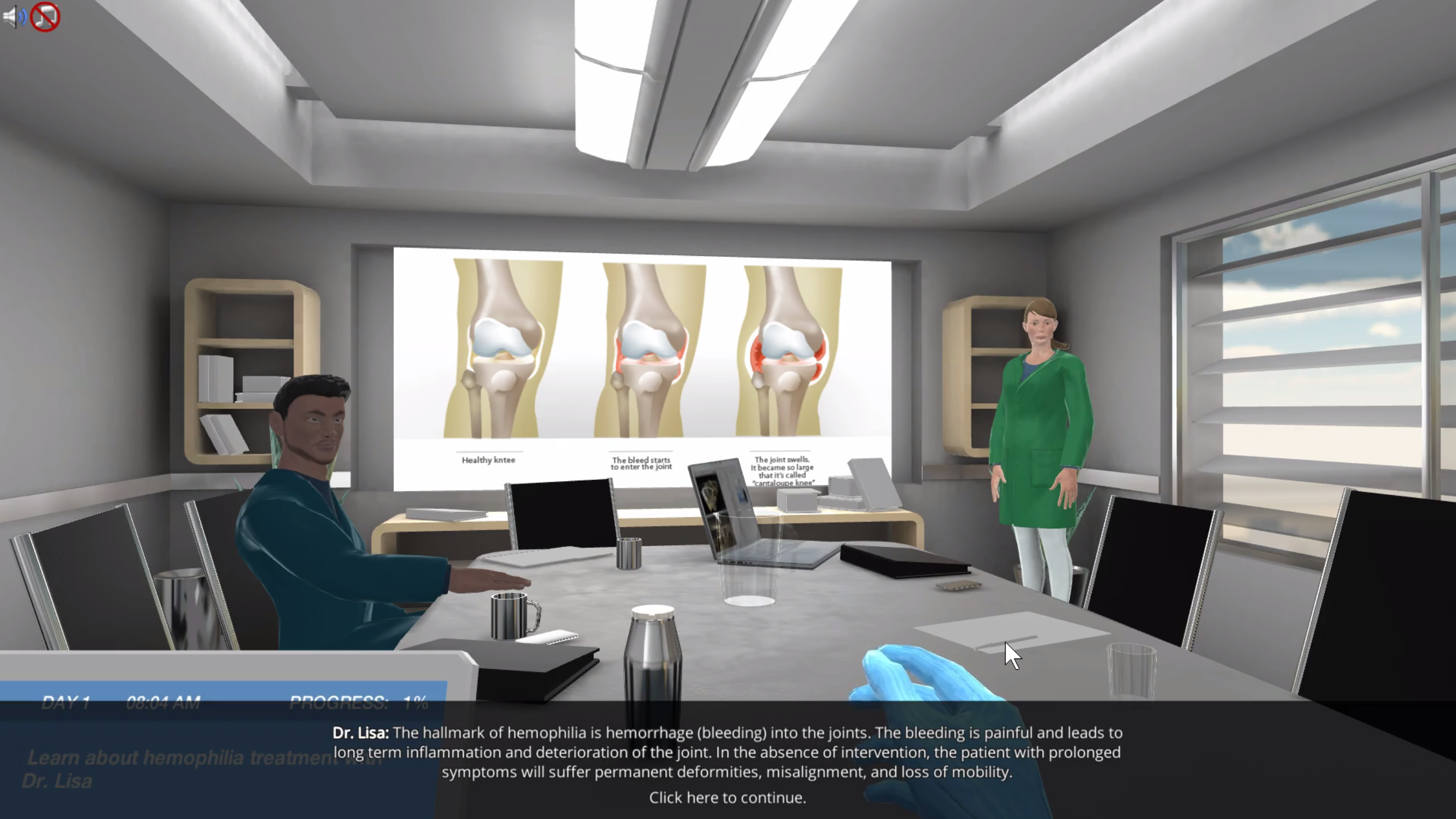
ELISA
Help a scientist detect and quantify proteins by using one of the most popular techniques in molecular biology.
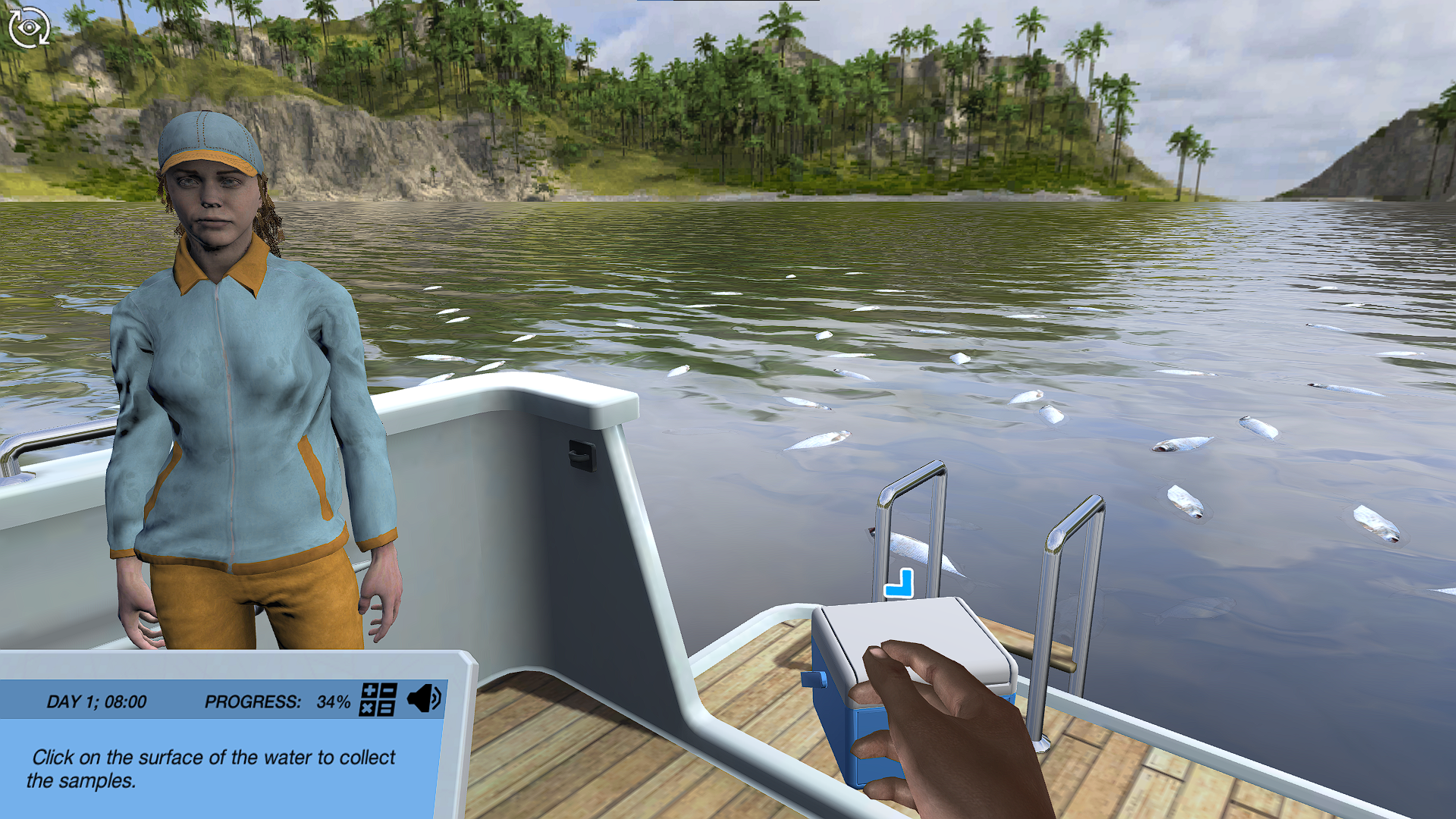
Thermal Effects on Marine Oxygen Levels
Become an environmental investigator and solve a massive fish kill mystery. Use a spectrophotometer to analyze oxygen levels in the water and unravel the mystery.
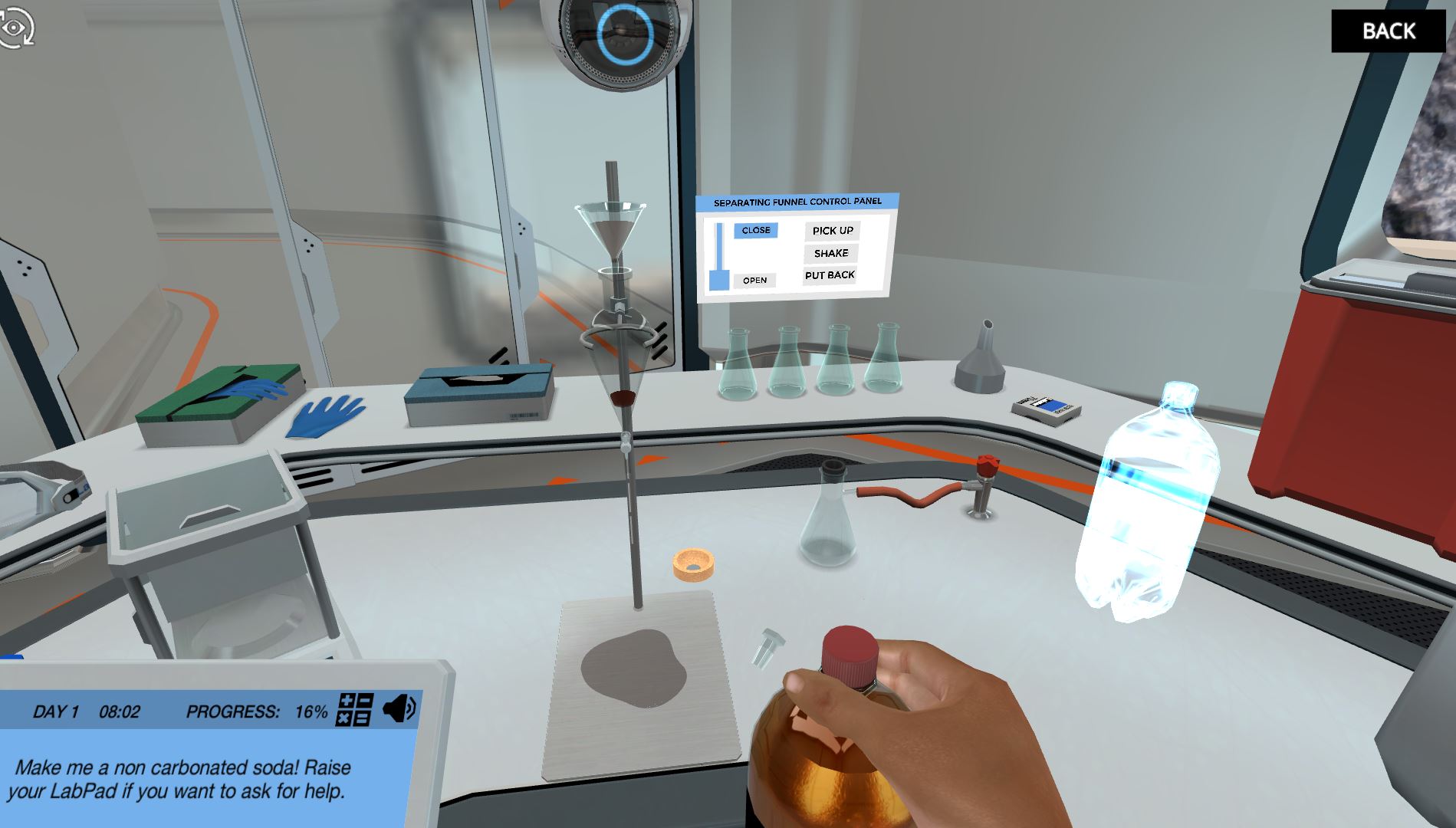
Liquid-liquid Extraction: Extract caffeine from your everyday drinks
Learn how to use a separating funnel to extract and dry a water soluble compound, such as caffeine from tea or coffee. Can you also predict the liquid phases in which the compound can be found?
.png)
Mass Spectrometry: The race of the fastest fragment
Dive into a virtual laboratory to discover the secrets of mass spectrometry. From the structure of the instrument to the interpretation of different spectra, no fragmentation pattern will remain a mystery to you!
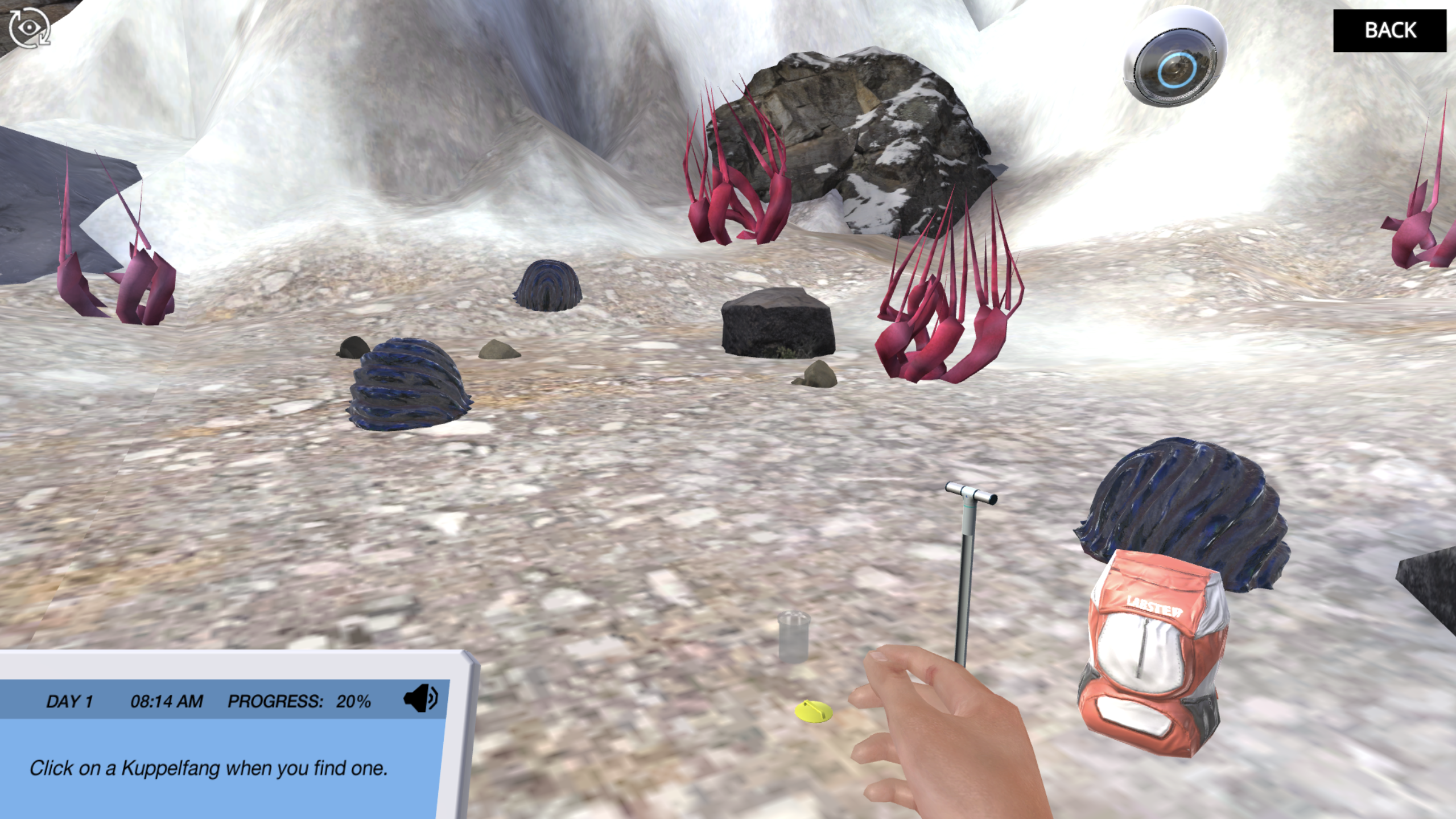
Ecological niches: Choose the right Kuppelfang to bring to Earth!
Investigate why the Kuppelfangs died when transplanted to the new Astakos IV biodome on Earth. Quantify their realized and fundamental niche, and explore how acclimation affects the boundaries of a niche.
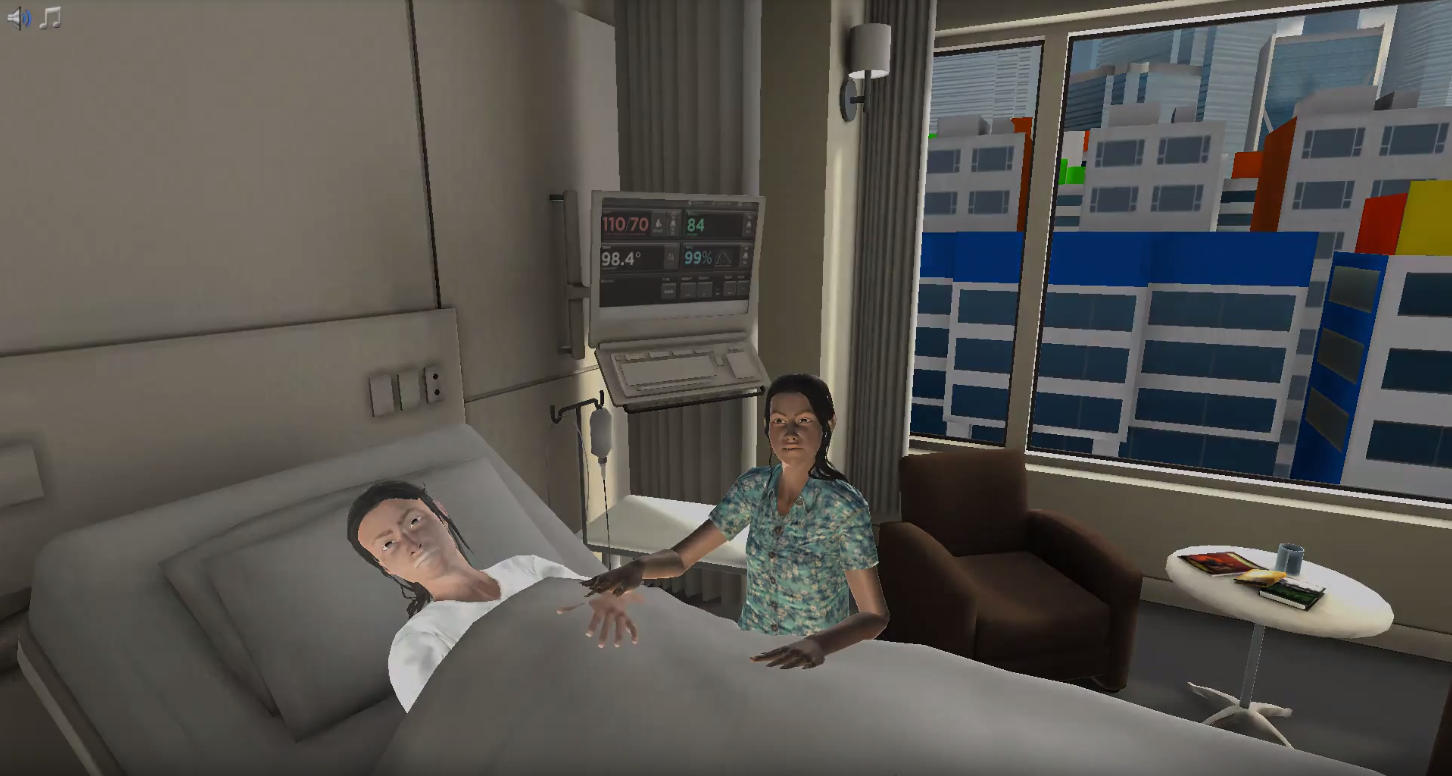
Nuclear Magnetic Resonance (NMR): Analyze small protein samples
In the Nuclear Magnetic Resonance simulation, you will learn how to use NMR to characterize binding events between proteins and ligands. You will perform NMR experiments and interpret the resulting spectra. Will you be able to help improve an existing antibiotic in order to reduce its side effects?
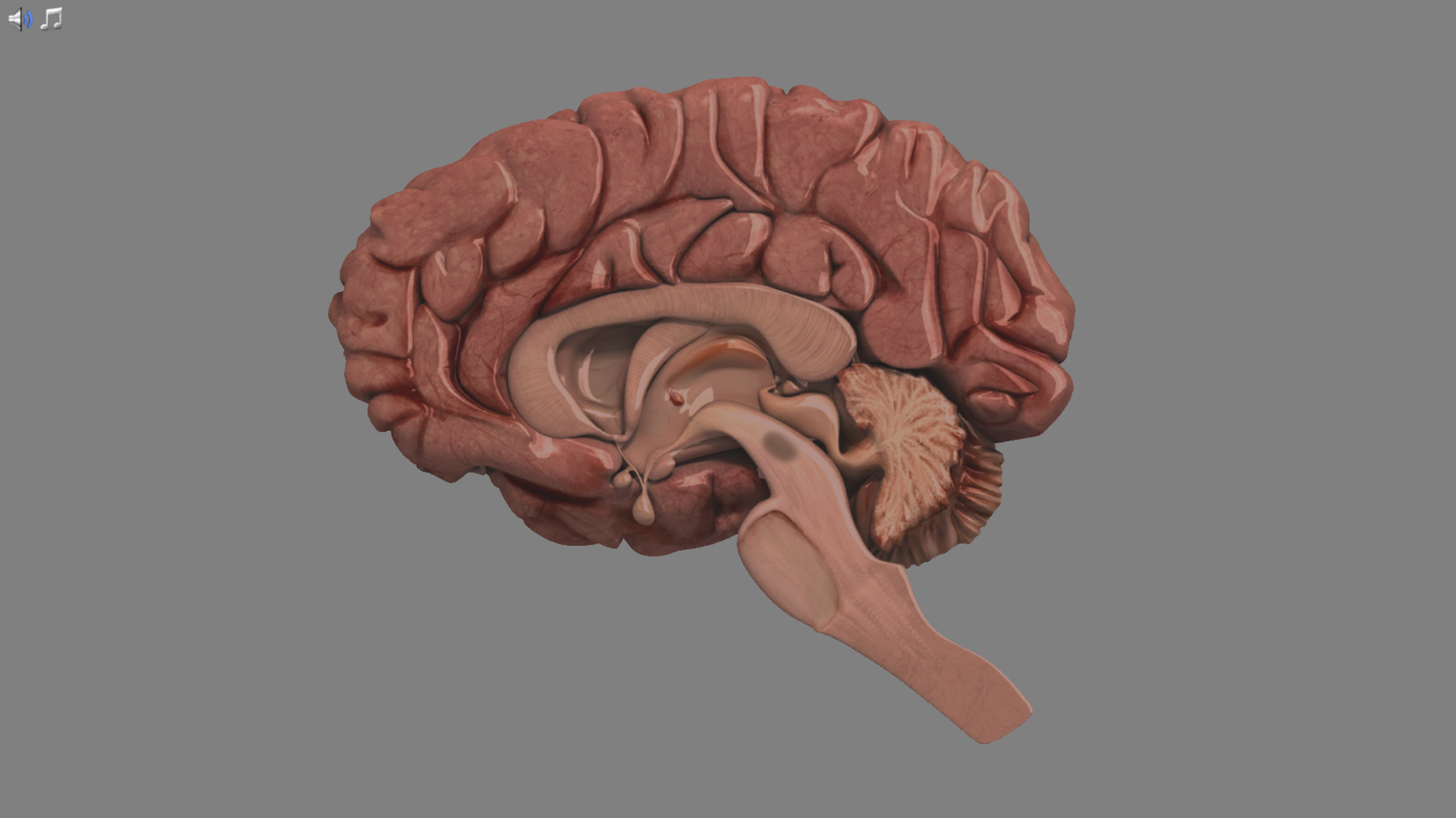
Parkinson's Disease
Use liquid chromatography to purify a protein involved in Parkinson’s disease to learn more about its causes and evaluate the efficacy of a promising molecule for its treatment using confocal microscopy.
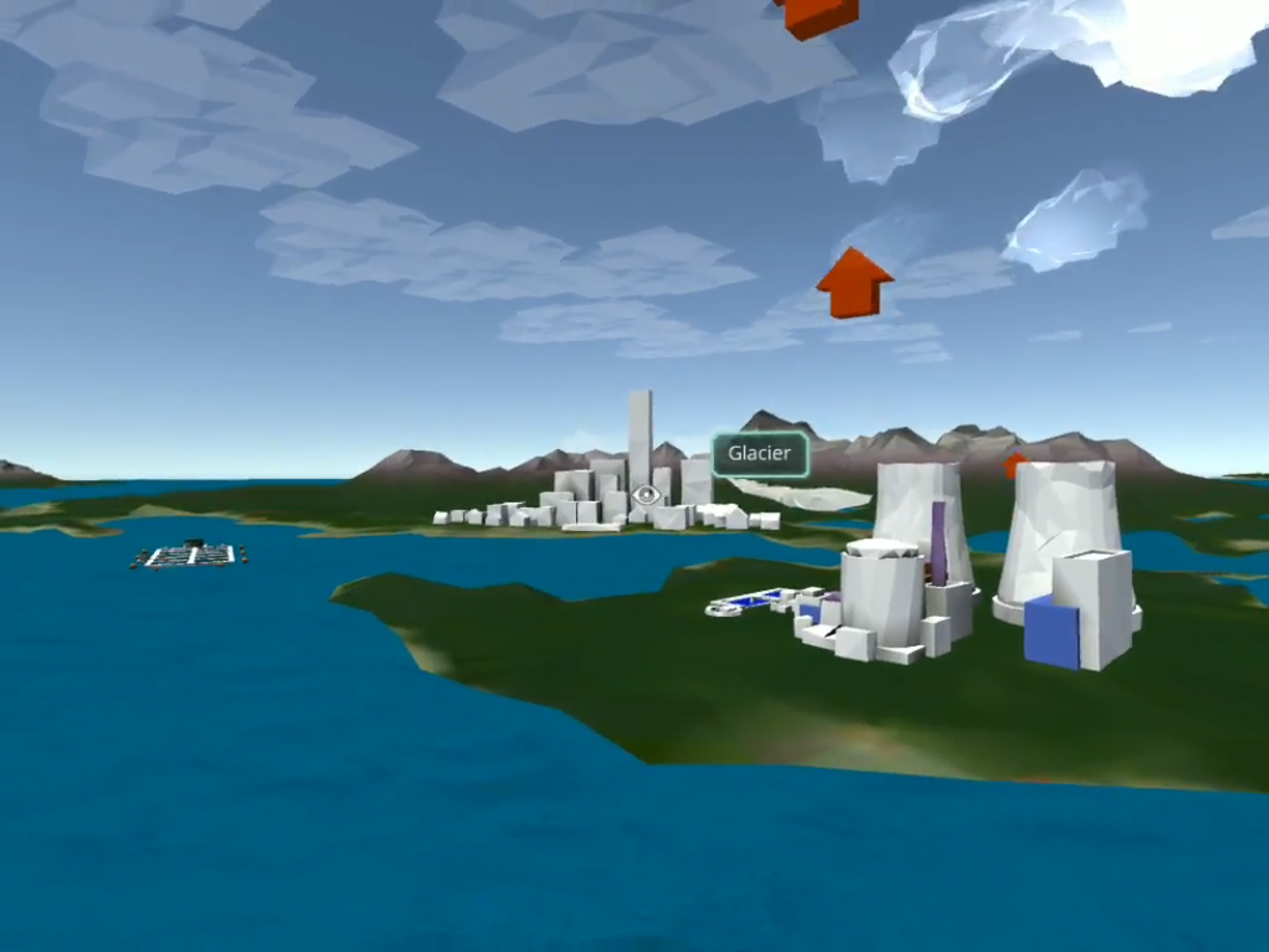
Pigment Extraction: Use photosynthesis to produce biofuel and reduce pollution
Relevant pigments using different solvents and measure their absorbance spectra to help a group of engineers figure out if a mysterious dark algae is able to absorb green light. Your work will help create a sustainable plan for energy production that will use sunlight, heat from a coal power plant, and nutrients from a fish farm.
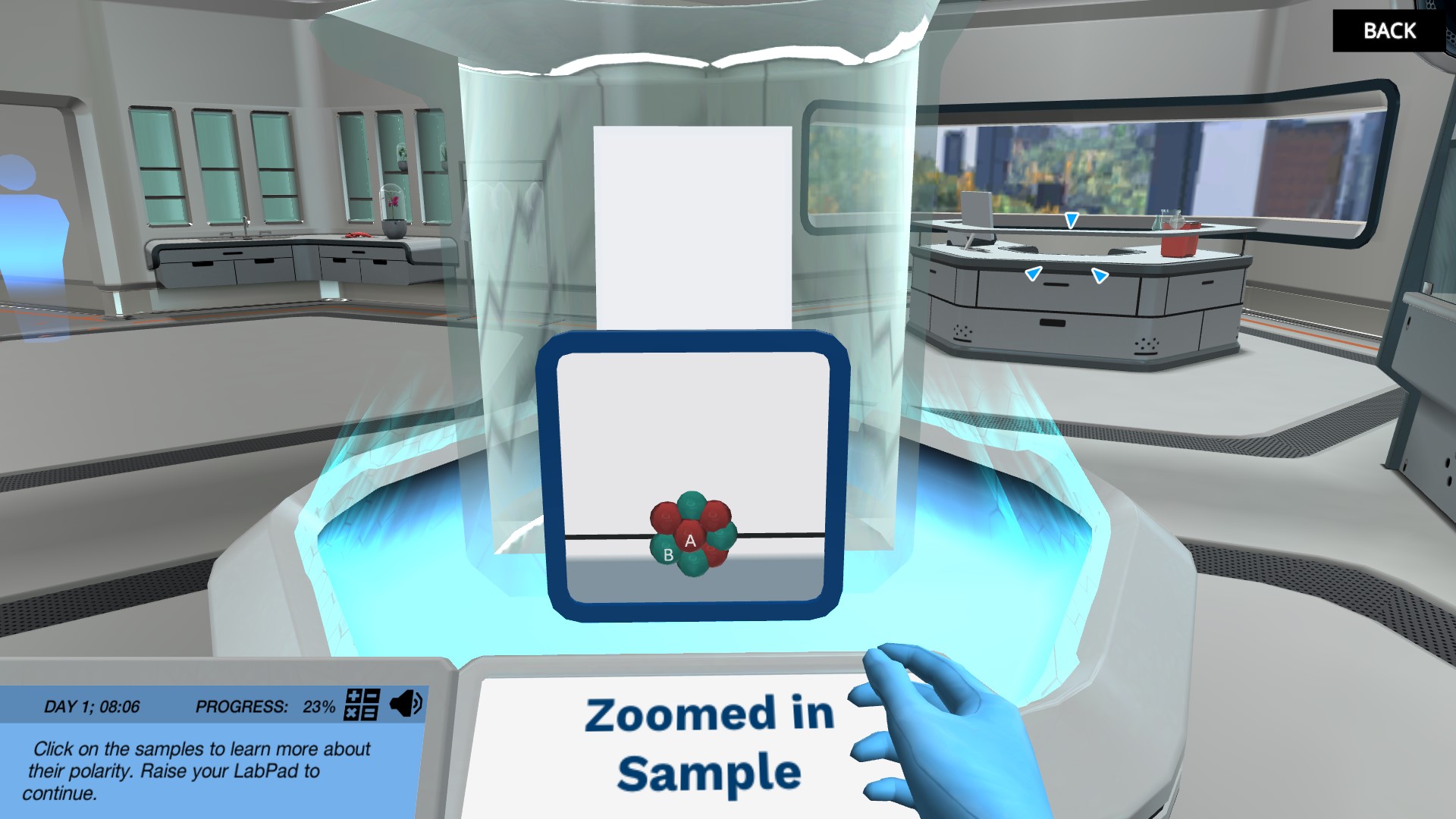
Thin Layer Chromatography: Separate a mixture and monitor a reaction's progress
Discover the intermolecular interactions involved in Thin Layer Chromatography. Utilize this newfound knowledge to assemble, run, and analyze a TLC experiment to monitor the progress of a reaction.
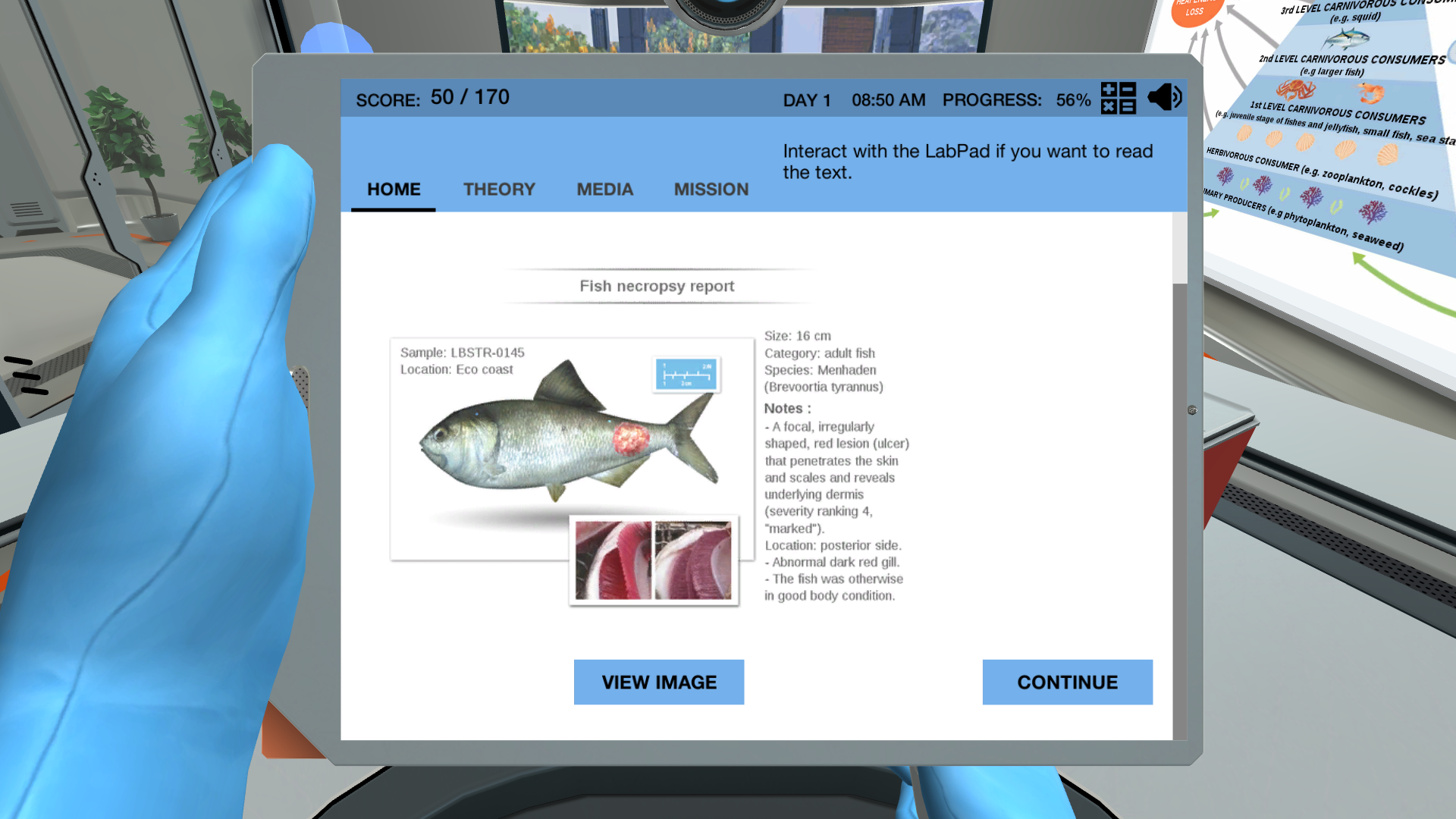
Marine Biology: Investigate a massive fish death
Become an environmental investigator and solve a massive fish kill mystery. First, learn about the different trophic levels of the ecosystem. You will then perform a fish necropsy and use a spectrophotometer to analyze oxygen levels in the water.
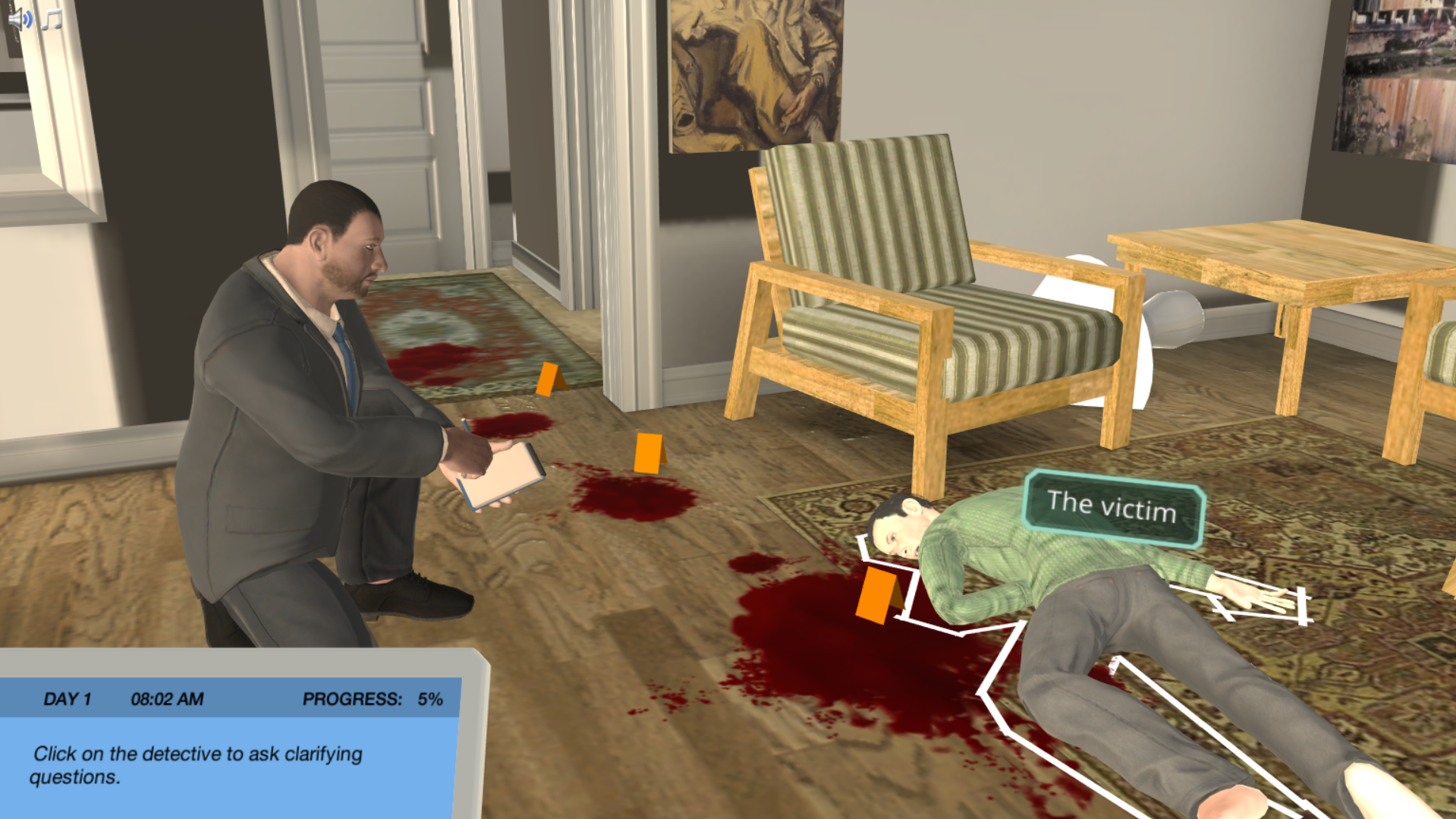
Polymerase Chain Reaction
Learn the techniques and application of Polymerase Chain Reaction and Gel Electrophoresis. Explore a real-world application, such as analyzing unique genetic fingerprints to solve a murder case.
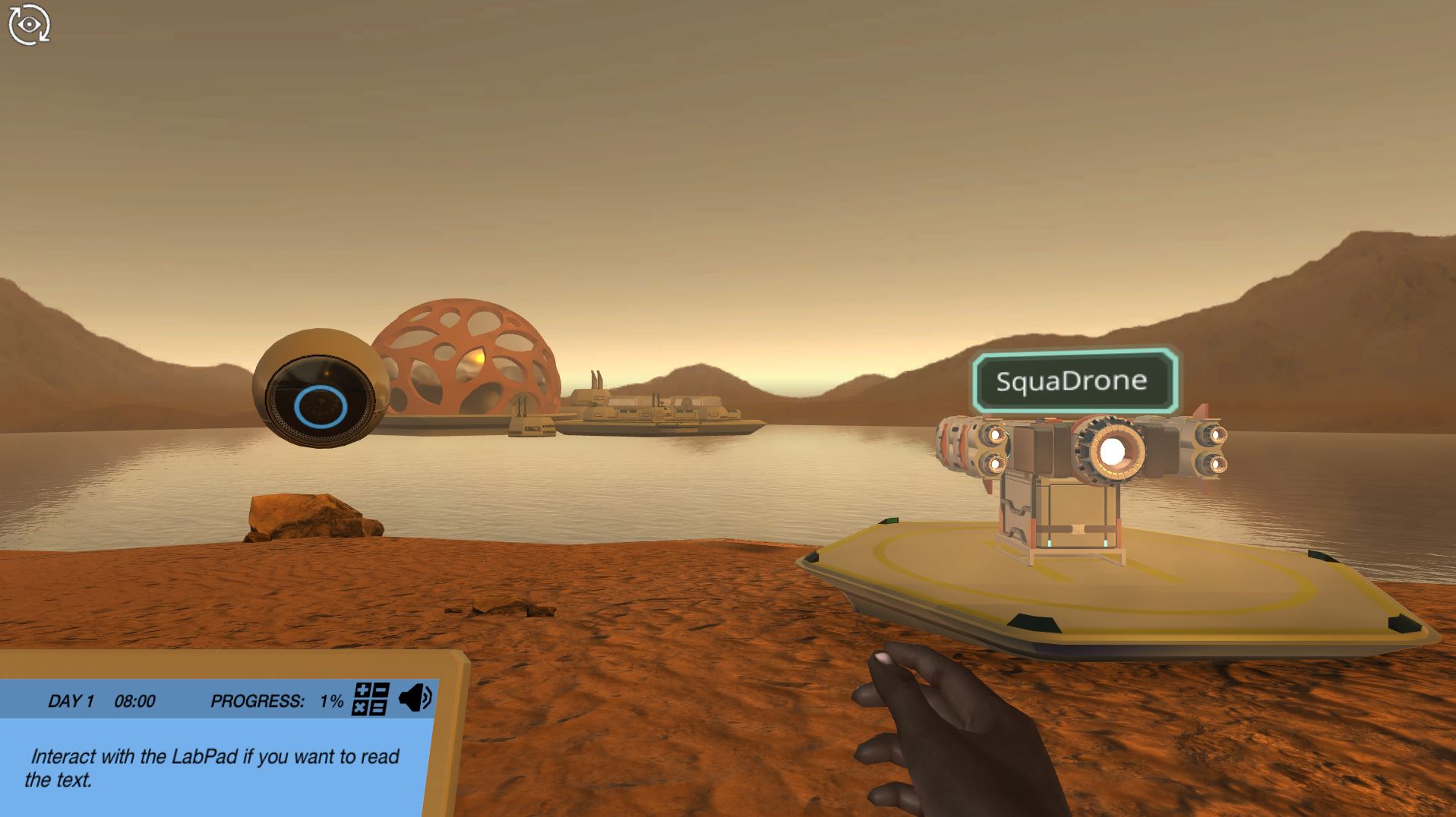
Reaction Kinetics: The essentials
Join Dr. One at our extraterrestrial lab facility, where we’re struggling to get enough propulsion for our transporter. We need you to figure out the kinetics and optimize the chemical reaction of the fuel we’re using, so we can continue with our experiments.

Identification of Unknown Bacteria: Help save baby Kuppelfangs from an epidemic!
Visit the exoplanet Astakos IV, where the Kuppelfang population is suffering from a bacterial infection. Use staining, differential media and biochemical tests to identify the bacteria so that the Kuppelfangs can be treated before they go extinct.
Related Collections
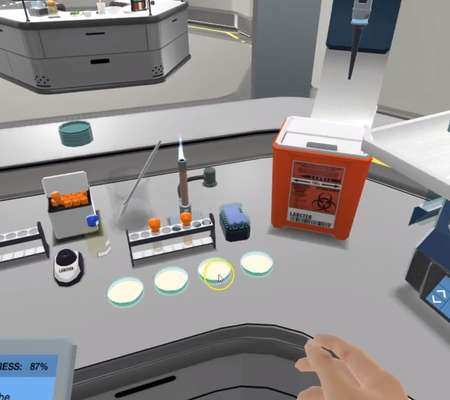
Middle School NGSS
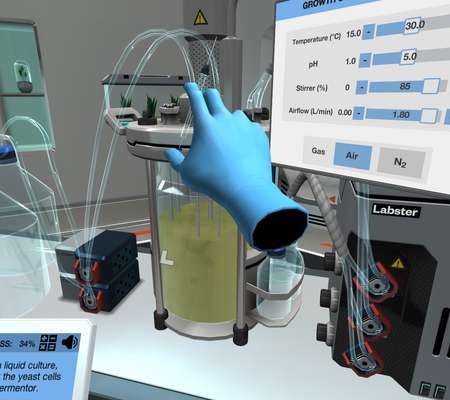
LabAccess
LabReady
Boost STEM Pass Rates

Boost Learning with Fun
75% of students show high engagement and improved grades with Labster
Discover Simulations That Match Your Syllabus
Easily bolster your learning objectives with relevant, interactive content
Place Students in the Shoes of Real Scientists
Practice a lab procedure or visualize theory through narrative-driven scenarios